by Yes Getaways Team
July 27, 2026 • 11 min read
Austria is smaller than the U.S. state of Maine, but it packs nine federal states with different landscapes, dialects, cuisines, and cultural pace. Which means the most common question we get from first time Austria travelers is the right one to ask: not "what should I see in Austria," but "which region should I see first."
This guide compares the seven regions almost every first time traveler will eventually choose between, with the honest tradeoffs that brochures rarely include.
The short answer
If this is your first ever Austria trip and you only have 5 to 7 days, do Vienna plus Salzburg. You will not regret the focus.
If you have been to Austria before and want the most photogenic version, do Salzburg plus the Salzkammergut lakes (Hallstatt, Wolfgangsee, Bad Ischl).
If you are going in winter for skiing, do the Tyrol (Kitzbühel, St. Anton, Sölden, or Innsbruck as base).
If you are going in winter for Christmas markets, do Vienna plus Salzburg.
If you want the most under-the-radar Austria, do the Wachau Valley or Vorarlberg.
The rest of this article explains why.
How to think about choosing
The seven regions below all reward a first visit. They differ on five axes:
- Pace — how much you can see per day before you are exhausted
- Photo density — how often you find yourself reaching for the camera
- Logistical friction — train vs car, language, queues, parking
- Food and wine intensity — how central food is to the daily experience
- Off season usability — whether the trip still works outside June to September
Use the table at the end of the article to compare them on these axes at a glance.
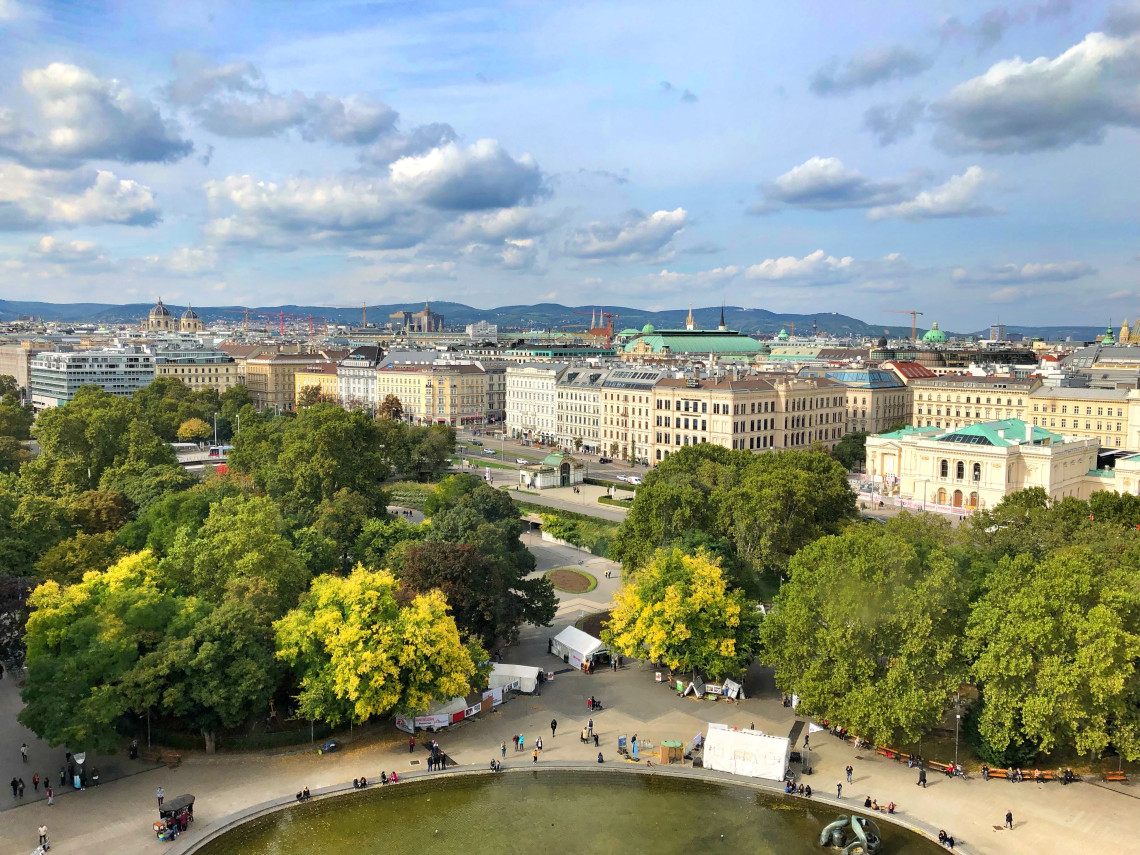
Vienna and Lower Austria
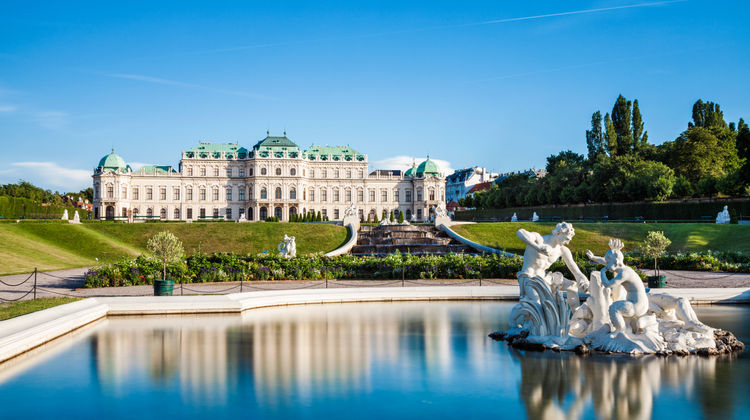
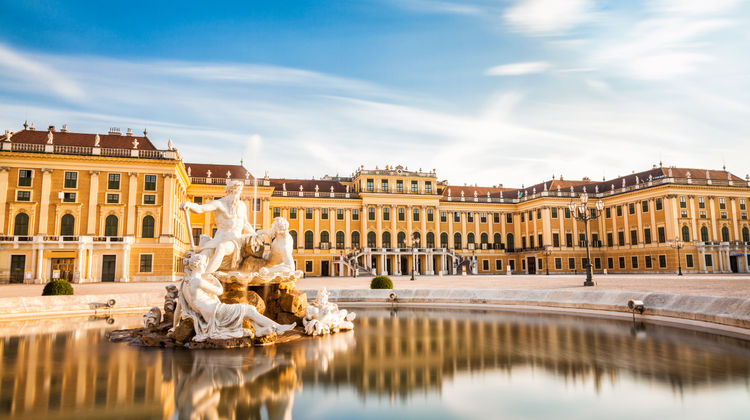
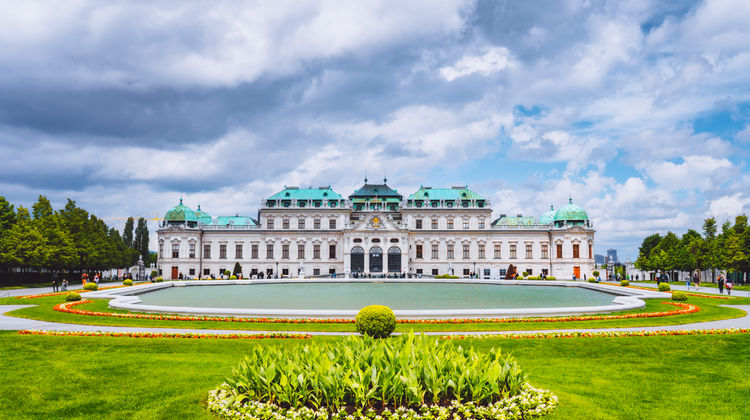
What it is: The capital. Two million people in the metro area. Twenty-three districts, each with its own character. The Habsburg imperial palaces (Hofburg, Schönbrunn, Belvedere), the world's greatest classical music venues (Musikverein, Vienna State Opera), the Kunsthistorisches Museum, the coffee house culture (UNESCO listed), the Ringstrasse boulevard, the Prater park. Plus Lower Austria surrounding it, home to the Wachau Valley wine country.
Best for: First time travelers who want the imperial icons. Classical music lovers. Coffee house enthusiasts. Foodies. Anyone who wants a walking city with world-class museums.
Honest tradeoffs:
- Vienna is bigger than most travelers expect. Plan on 15,000 to 22,000 steps per day.
- The classical music offering peaks September to mid-June. Summer is off-season for the State Opera and Musikverein subscription concerts.
- Coffee house culture requires slowing down. Cafe Central is beautiful but touristy; try Landtmann, Sperl, or Hawelka for the real experience.
- A 4 to 5 day Vienna visit feels right for most first timers. Less and you skip too much; more and you start running out of obvious targets unless combining with Wachau day trips.
When to go: Best in May to June and mid September to mid October. Late November to December 23 for Christmas markets. Skip August (many small businesses close as Viennese leave).
Pair it with: Salzburg (2h22m by Railjet), Wachau Valley (1h from Vienna), Bratislava (1h), Budapest (2h30m).
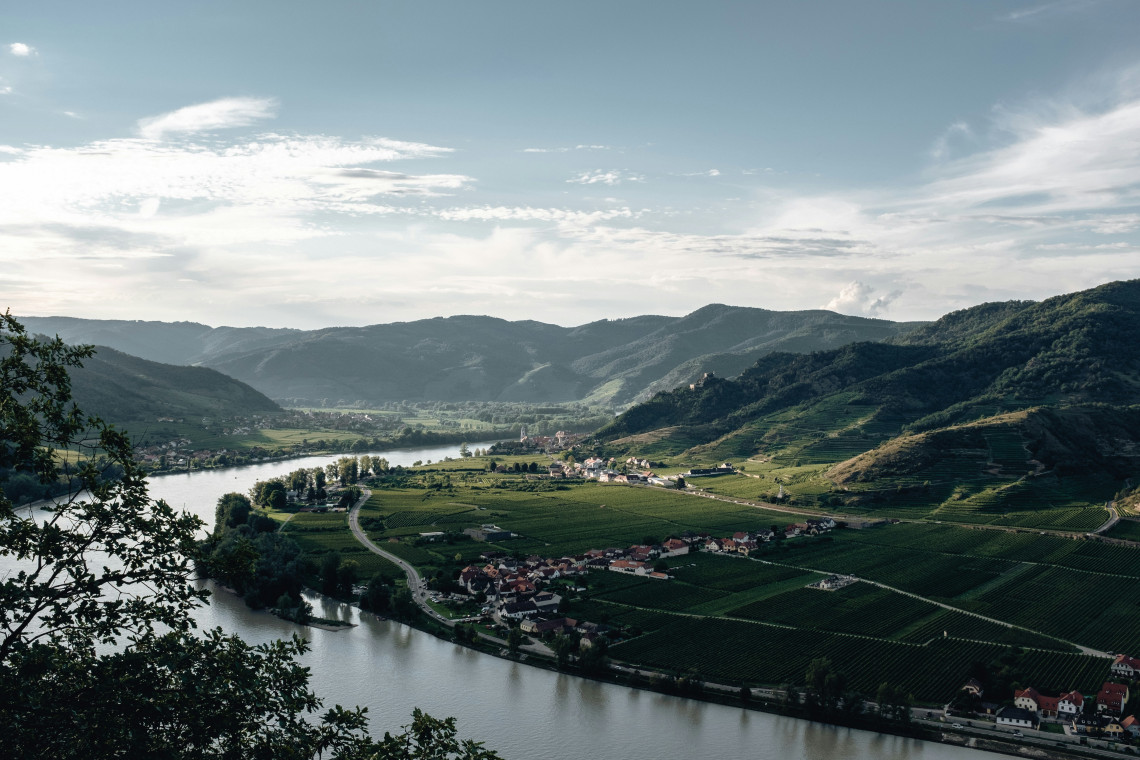
Salzburg and the Salzburgerland
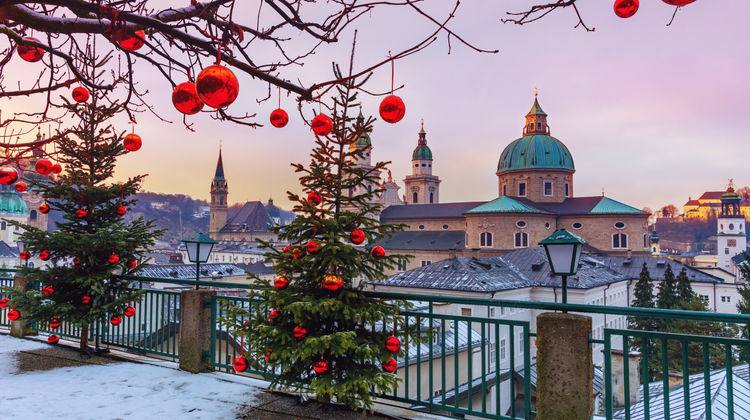
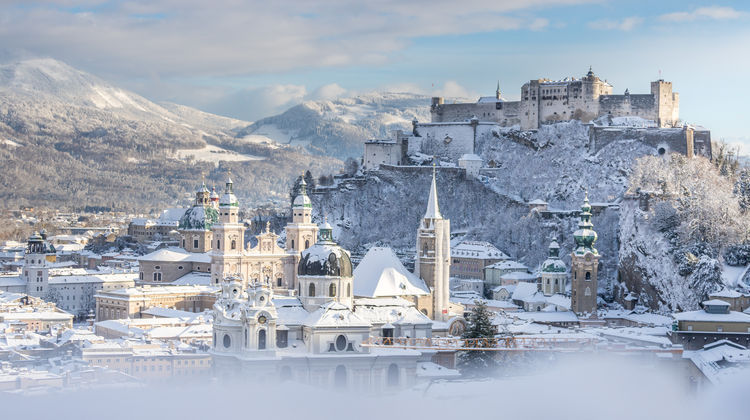
What it is: Mozart's birthplace. Baroque Austria at its peak, set beneath the Hohensalzburg Fortress with Alpine mountains as backdrop. The Sound of Music setting (Mirabell Gardens, Nonnberg Abbey, the lake district). The Salzburg Festival (late July to late August). The Christkindlmarkt (late November onwards).
Best for: First time travelers who want the postcard Austria. Music lovers (Festival plus Mozart). Photographers. Couples on a romantic 3 to 5 night break.
Honest tradeoffs:
- Small (150,000 population), so 2 to 3 days is enough for the city itself.
- Salzburg Festival weeks (late July to late August) are the most expensive and most crowded of the year.
- The Sound of Music tour is famously touristy. Many locals roll their eyes. But it is genuinely fun if you loved the film.
- Rain is possible any season. Bring a jacket.
- Combines perfectly with the Salzkammergut lakes (Wolfgangsee is 30 min away, Hallstatt 1h15m).
When to go: May to mid July for city plus lakes. Late July to late August for Festival. Late November to December 23 for Christmas markets. Skip mid February to mid March mud season.
Pair it with: Salzkammergut lakes (Hallstatt, Wolfgangsee), Vienna (2h22m by Railjet), Munich (1h30m by train).
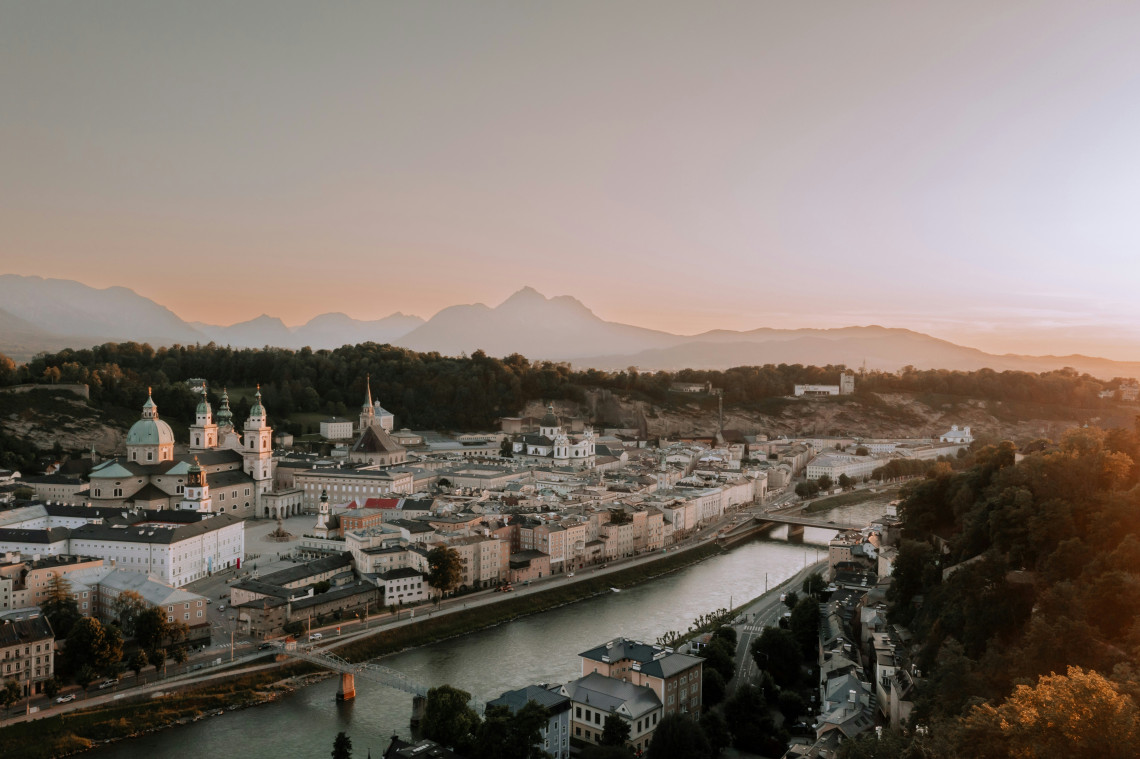
The Tyrol (Innsbruck and the Alps)
What it is: Austria's Alpine heart. Innsbruck is the capital, framed by the Nordkette mountain range that rises directly from the old town. Around Innsbruck: Kitzbühel (glamorous ski resort), St. Anton am Arlberg (serious ski territory), Sölden (glacier skiing), Ischgl (party skiing), Zell am See (family skiing plus lake). In summer, the same valleys become hiking, climbing, and mountain biking territory.
Best for: Skiers (December to mid April). Hikers (July to early September). Travelers who want the Alps as the primary trip. Adventure travelers.
Honest tradeoffs:
- Winter is the peak season. Book ski hotels 6+ months ahead.
- Summer is peak for hiking but Innsbruck itself gets less summer tourism than Salzburg.
- Mud seasons (May, October, November) are limited-service periods. Not the time to visit.
- Innsbruck is smaller than Salzburg or Vienna. 2 to 3 nights is enough for the city; longer if you are doing the surrounding valleys.
- English coverage is good in ski resorts, adequate in smaller villages.
When to go: December to mid April for skiing. July to early September for hiking. Late June for wildflowers.
Pair it with: Salzburg (2h by train), Munich (1h45m), Zurich (3h30m). For a Vienna+Innsbruck combo, the Railjet is 4h15m each way.
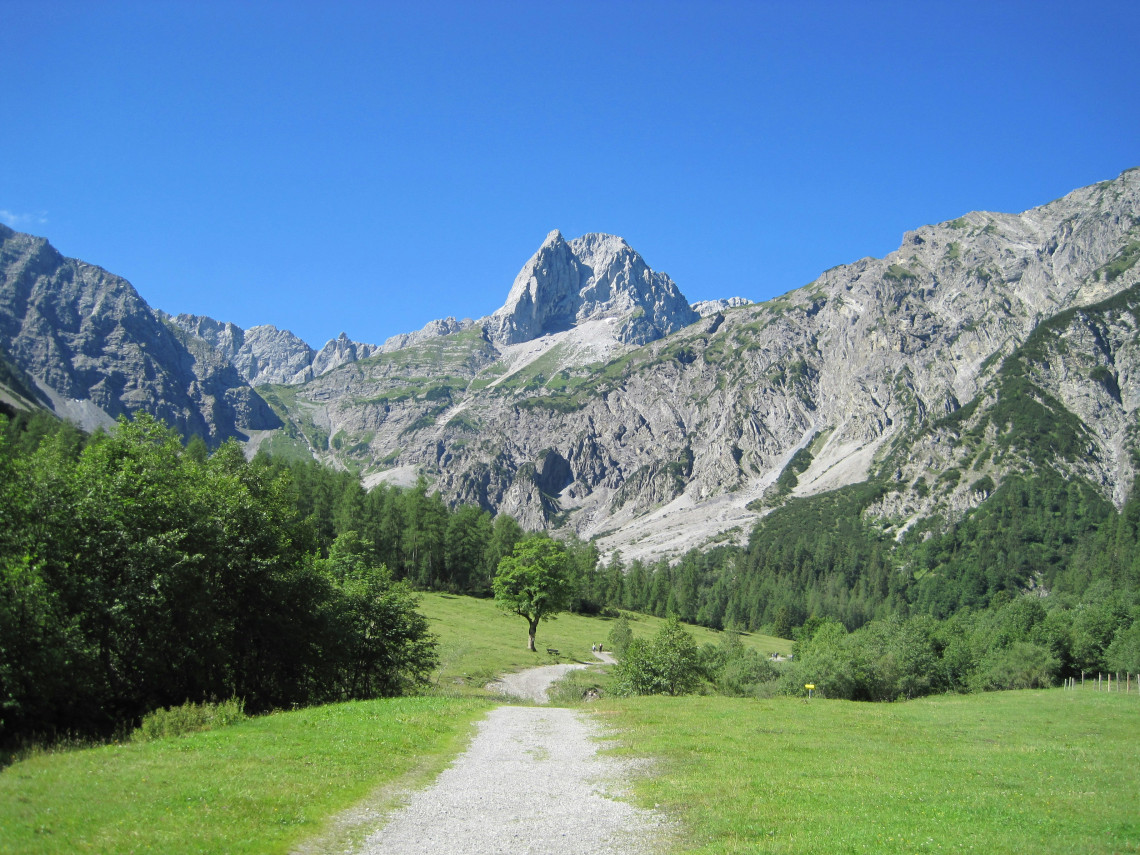
The Salzkammergut (Lake District)
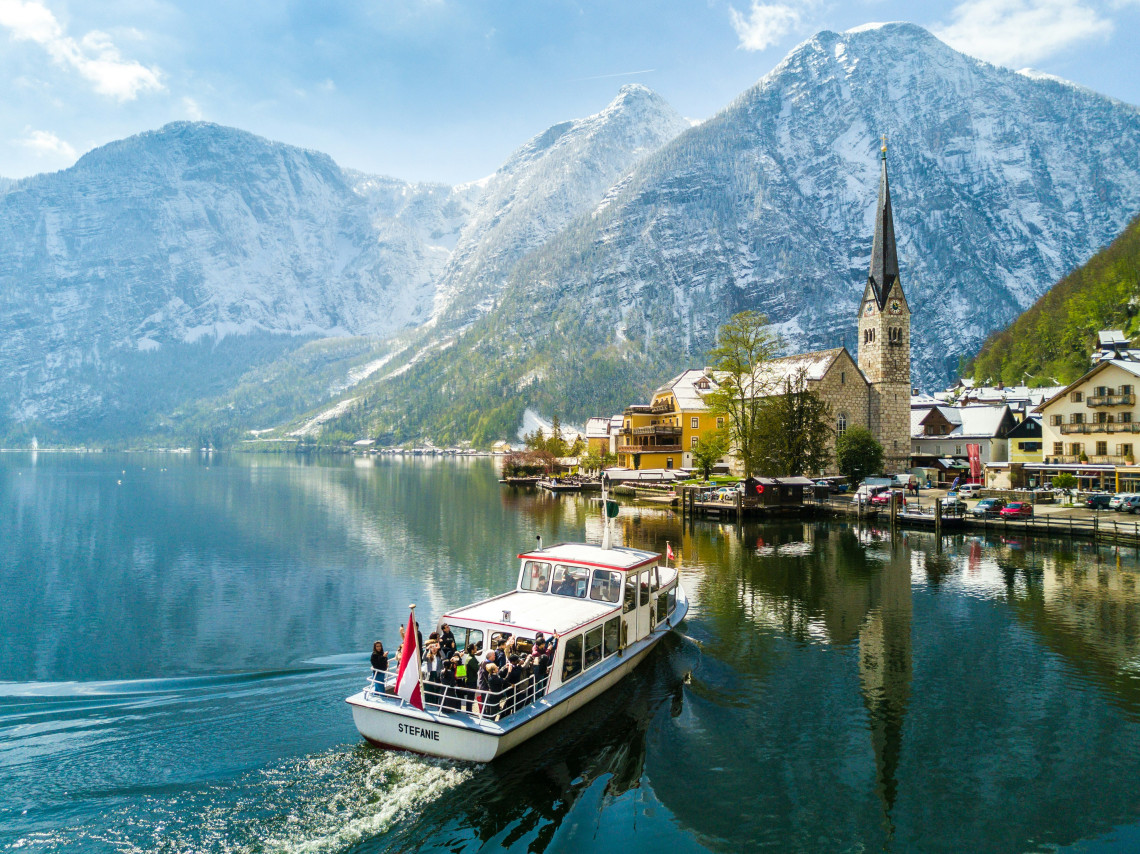
What it is: 76 lakes between Salzburg and Graz, including Hallstätter See (with the UNESCO village of Hallstatt), Wolfgangsee (with St. Wolfgang village and the Schafberg cog railway), Attersee (Gustav Klimt's summer painting spot), Traunsee (dramatic cliffs), and Bad Ischl (the imperial spa town where Emperor Franz Joseph summered).
Best for: Photographers. Slow travelers. Lake swimmers (mid June to mid September). Second-time Austria visitors who saw Vienna and Salzburg last time. Multi-generational families.
Honest tradeoffs:
- Hallstatt is one of the most photographed places in Europe and gets extremely crowded 10am to 4pm in summer. Stay overnight for the empty dawn window.
- A car is effectively required for the wider Salzkammergut experience.
- Lake temperatures 20-24°C / 68-75°F in July-August, 15-18°C in June and September.
- The region shuts down significantly in winter except for a few resort hotels.
- 3 to 5 days is the sweet spot. Longer and you may want to move to another region.
When to go: Mid June to mid September for lakes. Late April to May for pre-crowd Alpine light. Late September for golden hour landscapes.
Pair it with: Salzburg as the gateway (30 min to 1h15m to major lake towns).
Styria and Graz
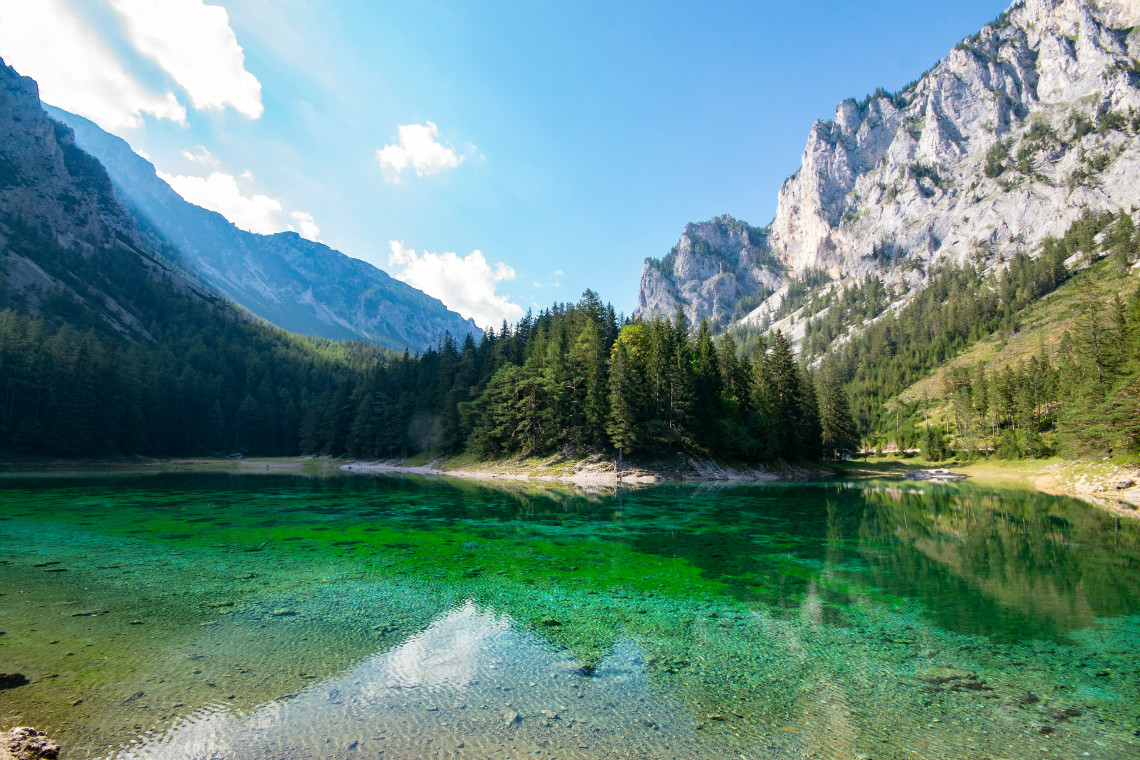
What it is: Austria's second-largest state, in the southeast. Graz is the capital (Austria's second city, population 300,000), with a UNESCO Renaissance old town and the modernist Kunsthaus. Southern Styria is Austria's food capital: pumpkin seed oil, Sturm (young wine), Styrian beef, hearty schilcher wines. The Southern Styrian wine road (Steirische Weinstraße) rivals Tuscany aesthetically at a fraction of the price.
Best for: Foodies. Wine travelers. Second or third time Austria visitors. Travelers who want to see Austria without the international tourist crowds.
Honest tradeoffs:
- Graz is much less internationally famous than Vienna or Salzburg. English coverage is lower.
- Reaching Southern Styria wine country requires a car (Graz to the wine road is 45 minutes).
- Some travelers find Graz's mix of Renaissance and modern architecture surprising.
- The food scene is exceptional but heavier than Alpine or Viennese cuisine.
When to go: Late April to early October. September and October for the wine harvest (Sturm season).
Pair it with: Vienna (Railjet 2h35m), Ljubljana (2h by train), Budapest (5h by car).
The Wachau Valley
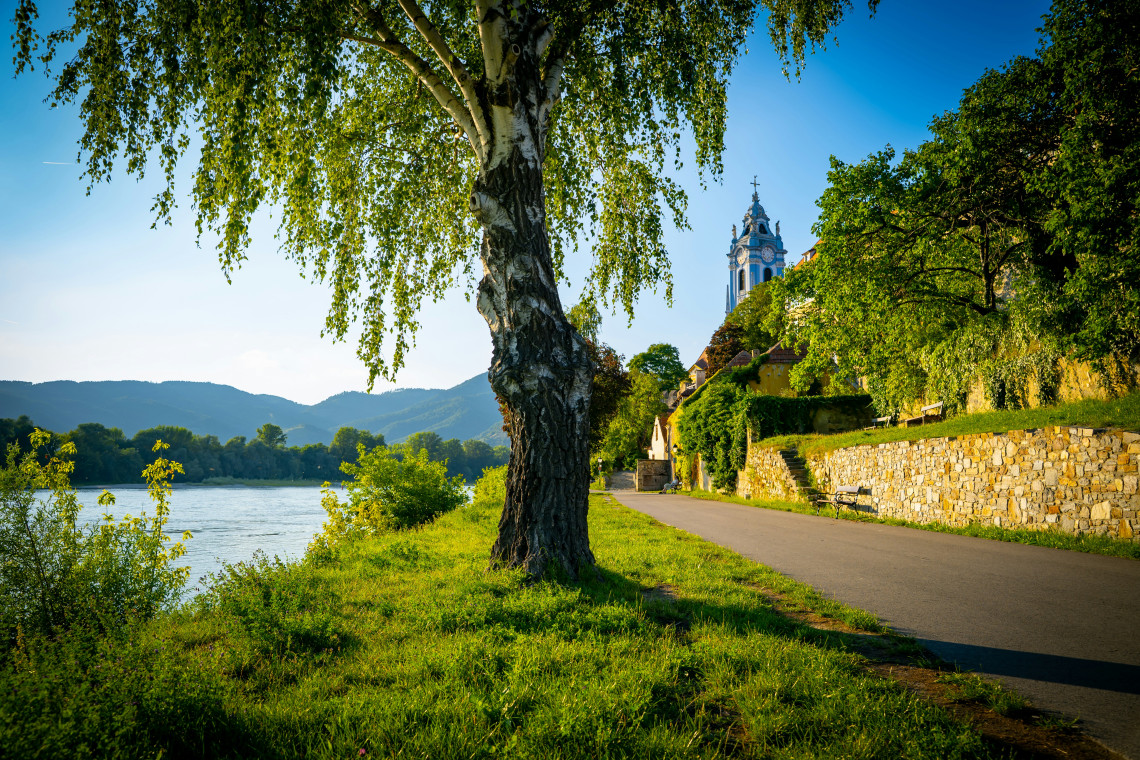
What it is: UNESCO listed Danube river valley between Melk and Krems, about 35 km long. The most photogenic wine country in Central Europe, with baroque abbeys (Melk, Göttweig, Dürnstein), apricot orchards, terraced vineyards, and Grüner Veltliner tastings at every village. The Sturm season in September and October is one of the great European food-and-wine experiences.
Best for: Wine and food travelers. Cyclists (the Wachau bicycle path is one of Europe's great flat rides). Photographers. Vienna day-trippers who fell in love and want to come back for a longer stay.
Honest tradeoffs:
- Small region. 2 to 3 nights is enough.
- Best in April to October. Winter is quiet and many wineries close.
- English coverage is variable outside the main wineries.
- Melk Abbey is a must-see but very crowded in summer.
When to go: Late April to May (apricot blossom) and mid September to mid October (harvest and Sturm).
Pair it with: Vienna (1h by train or drive), Salzburg (via Vienna, longer).
Vorarlberg and Bregenzerwald
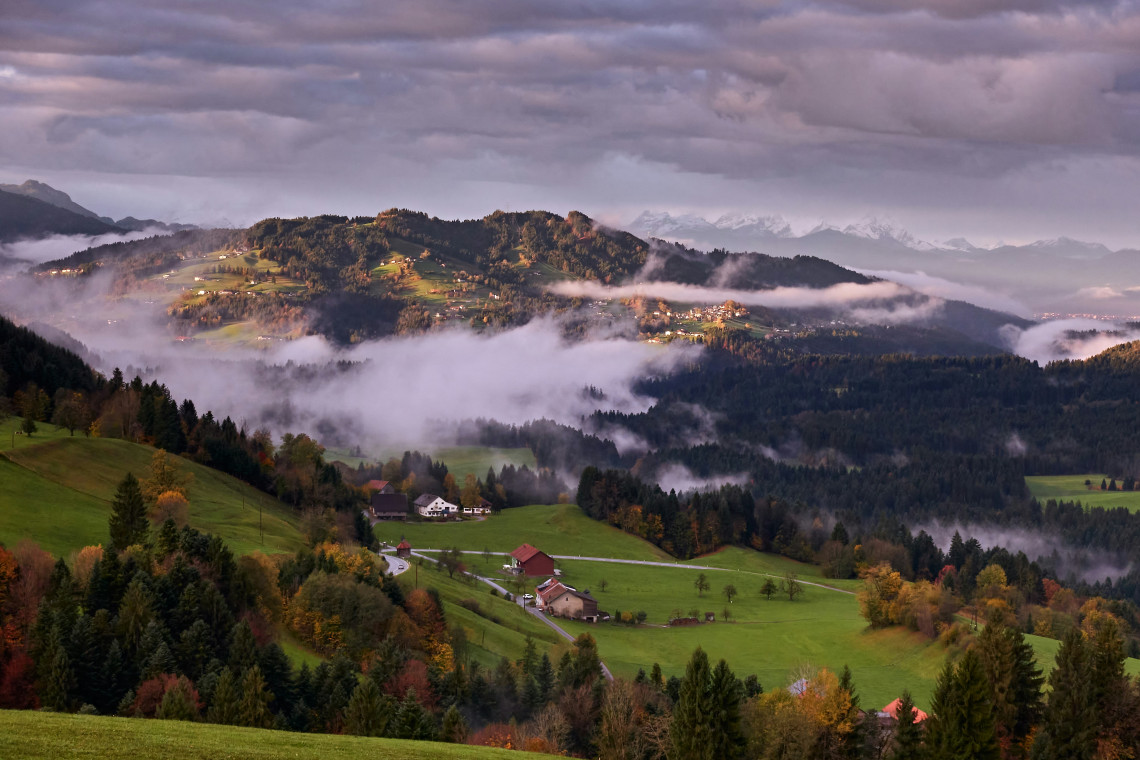
What it is: Austria's westernmost state, bordering Switzerland and Liechtenstein. Bregenz on Lake Constance is the capital, home to the Bregenzer Festspiele (opera on a floating stage each summer). Beyond, the Bregenzerwald is a rural region famous for its architecture (contemporary Alpine buildings, Werkraum Bregenzerwald design tradition), cheese trails, and hidden valleys. Least-visited of Austria's regions by international travelers.
Best for: Design and architecture travelers. Cheese lovers. Travelers who dislike crowds. Travelers already going to Switzerland (Zurich is 1h30m away).
Honest tradeoffs:
- Very little internationally-known tourism infrastructure. Bring adventurous curiosity.
- Car essential.
- Weather can be wetter than the eastern Alps due to Lake Constance influence.
- Combines naturally with Switzerland or southern Germany, less naturally with Vienna (a long train ride away).
When to go: June to September for full village access. July to August for the Bregenzerwald Festival.
Pair it with: Zurich, southern Germany (Konstanz, Meersburg), Liechtenstein.
The one we recommend most often for a first trip
For a 7 to 10 day first time Austria trip, the combination that works for the highest number of travelers is:
Vienna (4 nights) + Salzburg (2 nights) + Salzkammergut/Hallstatt (2 nights)
This gives you the imperial capital, the baroque Alpine city, and the postcard lakes. Logistics are clean (Railjet from Vienna to Salzburg in 2h22m, drive from Salzburg to Hallstatt in 1h15m). The pace is realistic.
For a 5 day first time trip, drop the Salzkammergut and do Vienna + Salzburg only.
For a 12 to 14 day first time trip, add Innsbruck and the Tyrol (2 to 3 nights) or the Wachau Valley (2 nights).
Frequently asked questions
What is the most beautiful region of Austria? This is the wrong question. They are beautiful in different ways. Salzburg for baroque, Hallstatt for lakeside, the Tyrol for Alpine drama, Vienna for imperial grandeur, the Wachau for wine country. No single answer.
Where should I avoid in Austria? No regions to avoid outright. Tourist trap restaurants exist in central Vienna (near Stephansplatz), central Salzburg (Getreidegasse), and Hallstatt. Use our tips articles or ask your travel expert for restaurant recommendations.
Is it safe to travel to Austria? Very safe. Consistently ranked among the safest countries in the world. Standard travel precautions apply (pickpockets at Vienna Stephansplatz and the Prater, tourist areas of Salzburg in summer). Violent crime against tourists is very rare.
Can I visit Austria in winter? Yes, with the right region. Vienna is wonderful November to February (Christmas markets, then empty museums). The Tyrol is peak for skiing December to mid April. Salzburg's Christkindlmarkt runs late November to December 23. Salzkammergut in winter is quiet but works for cozy lakeside stays.
Is one week enough for Austria? For 2 to 3 regions, yes. Vienna plus Salzburg plus Hallstatt in 7 to 8 nights is the classic first Austria trip.
What is the difference between the Salzkammergut and the Wachau Valley? The Salzkammergut is Alpine lakes and mountain villages. The Wachau Valley is river-valley wine country with baroque abbeys. Different landscapes entirely.
Which Austrian region is best for kids? The Salzkammergut for lake swimming and easy Alpine excursions. Vienna for imperial palaces and interactive museums. Zell am See (Tyrol) for family skiing.
Where do Austrians themselves vacation? In summer, mostly the Salzkammergut lakes, Wörthersee (Carinthia), and the Alps. In winter, the Tyrol. Austrians travel domestically much more than most European nationalities.
What is the most underrated Austrian region? Vorarlberg and the Bregenzerwald come up most often. Also Southern Styria (wine country). Both are meaningfully less visited by North Americans than Vienna, Salzburg, or the Salzkammergut.
Choosing your first Austrian region?
Our travel experts have built an Austria trip for every type of traveler. We will help you choose.
See Austria Packages Tailor-Made Trip