by Yes Getaways Team
May 22, 2026 • 7 min read
Italy is one of the easier countries in Europe to travel as a North American visitor. The infrastructure is excellent, English coverage in tourist areas is solid, and Italian hospitality is justly famous. But there are 20 small cultural and practical details that separate the visitor who has a great trip from the one who pays €130 in ZTL fines, gets refused a cappuccino after lunch, and is told off for wearing shorts in a cathedral.
This is the briefing we give every traveler we book into Italy.
Documents and money
1. Get ETIAS before you board
Starting in late 2026, U.S. and Canadian travelers need an approved ETIAS authorization to enter Italy. It is online, costs €7, takes minutes, and is valid for 3 years. Apply at least 30 days before your trip. Without it, you do not board the plane. See our full ETIAS guide for the full breakdown.
2. Your passport needs at least 3 months of validity beyond your return date
Schengen rules require your passport to be valid for at least 3 months after you plan to leave the Schengen Area. Two blank pages is also expected. Check before booking flights.
3. Carry some cash even if you mostly use cards
Italy is highly card friendly in cities and at most restaurants, but small bars, family run trattorias, public restrooms in train stations and many rural shops are cash only. Withdraw €100 to €200 at the airport ATM (bancomat) on arrival. When the ATM asks "would you like the transaction in your home currency," always say No and choose Euros. The home currency conversion is almost always a worse rate.
4. Tipping is appreciated but not expected
Italian tipping etiquette confuses many North Americans. At restaurants, check the bill for a coperto (cover charge, usually €2 to €4 per person) and servizio (service charge, sometimes added in tourist areas). If either is on the bill, no further tip is required. If service was exceptional, rounding up or leaving 5 to 10 percent in cash is generous. There is no need to tip at espresso bars where you order at the counter. Round up for taxi drivers and tip hotel porters €1 to €2 per bag.
Cultural etiquette
5. Cover up in churches
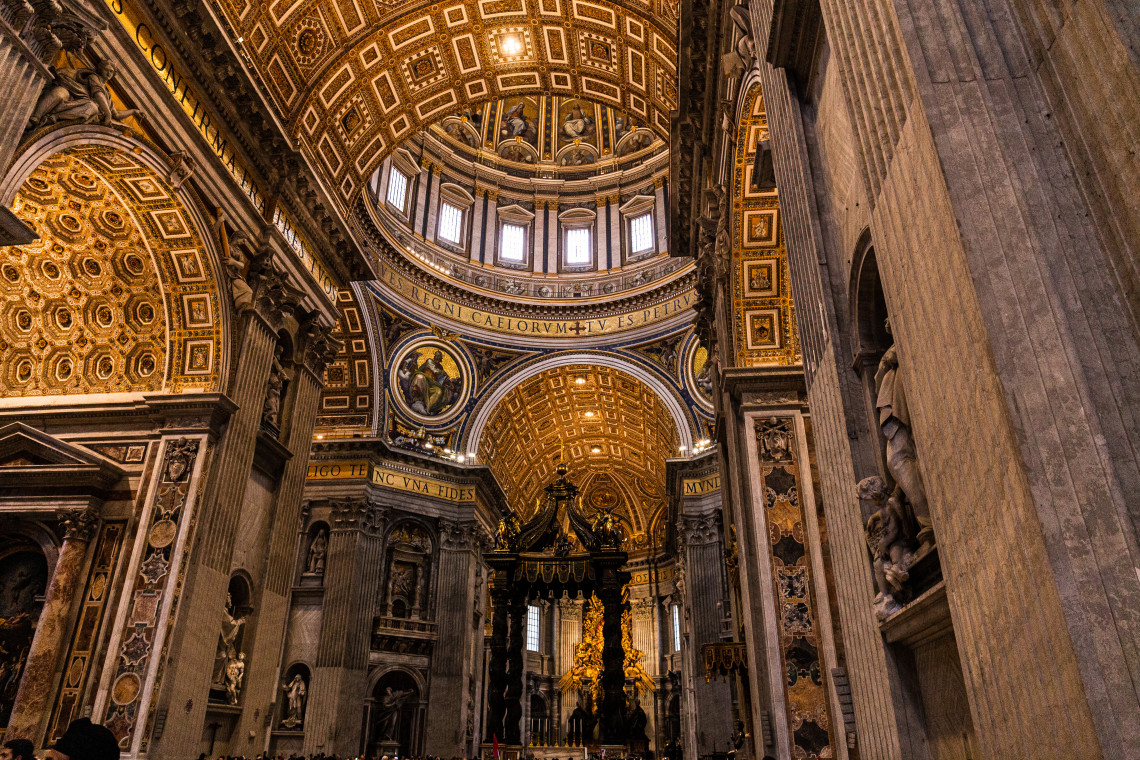
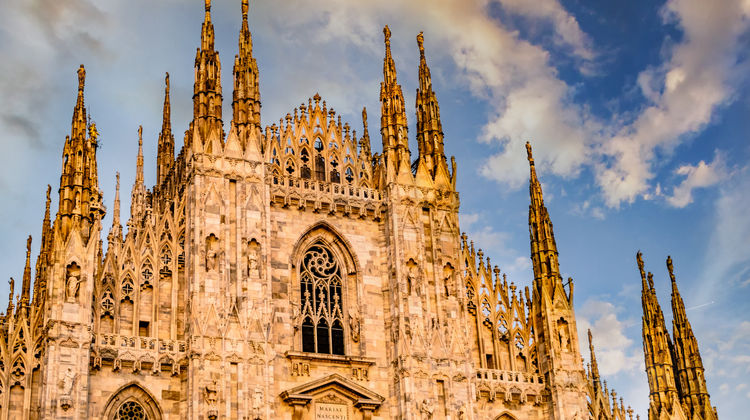
Every Italian church, including major cathedrals and the Vatican, enforces a basic dress code: knees and shoulders covered. This means no shorts, no tank tops, no short skirts. Carry a light scarf or shawl in your day bag to throw over your shoulders, and consider light long pants in summer if you plan to enter major churches. Refusal at the door is common and embarrassing.
6. Greet shopkeepers and waiters
When you enter a small shop, restaurant or bar, a quick "Buongiorno" (good morning, used until early afternoon) or "Buonasera" (good evening, from late afternoon) is expected. When you leave, "Arrivederci" or "Buona giornata" (have a good day). This is not just politeness, it is the social contract.
7. Sunday and Monday closures are common
Many small family restaurants close Sunday evening and all day Monday. Many museums close one day per week, usually Monday (with some exceptions: the Vatican Museums close Sunday except the last Sunday of the month). Plan your sightseeing accordingly.
Dining
8. The coperto is not a scam
That €2 to €4 per person charge labeled "coperto" or "pane e coperto" on your bill is not a scam or an upcharge. It is a centuries old convention covering the cover at the table and the bread basket. It is legal, declared on the menu, and applies to everyone (including locals). Just budget for it.
9. Do not ask for substitutions or splits
Italian cooking is precise and chefs are protective. Asking to substitute pasta types, add chicken to a pasta dish that does not include it, or split a dish between two people will often be refused. The rule is: order what is on the menu, as it is on the menu.
10. Carbonara has no cream
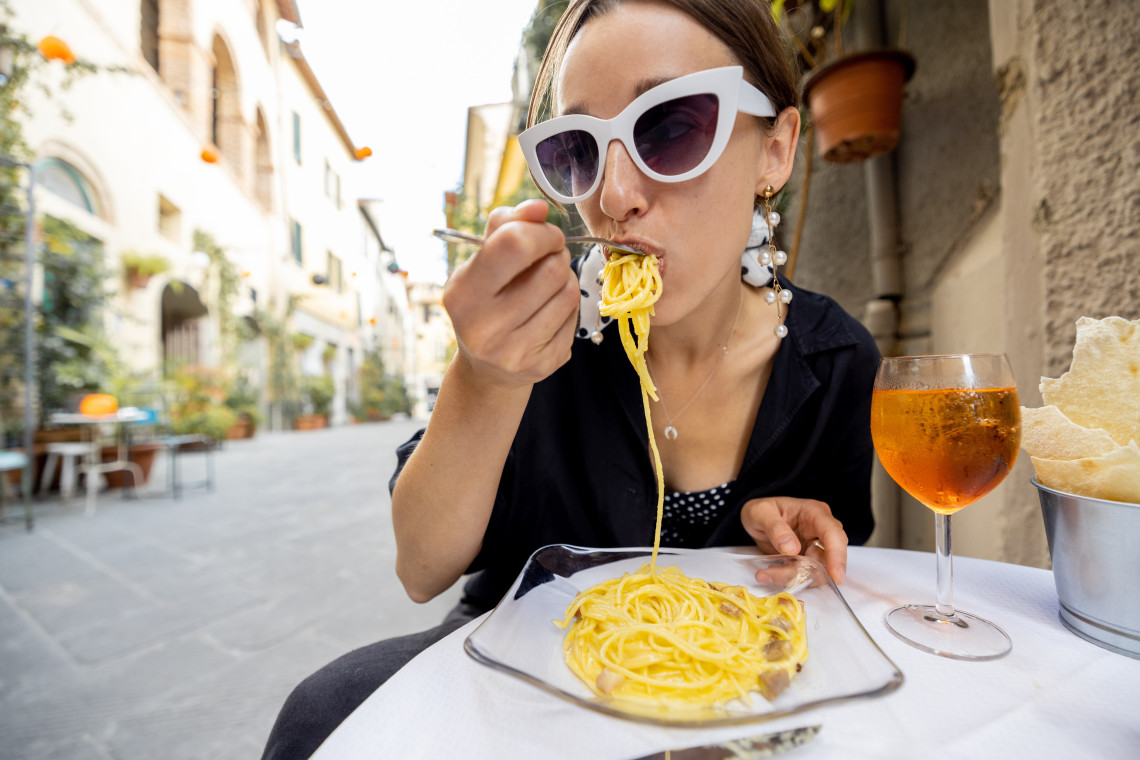
If you order carbonara in Italy and it arrives white with cream, you are in a tourist trap. Real carbonara is yellow, made with egg yolk, guanciale (cured pork jowl), pecorino, and black pepper. The same applies for cacio e pepe, amatriciana and gricia. Use Google reviews and skip restaurants with multi language laminated menus and aggressive sidewalk hosts.
11. Water in Italian restaurants is bought, not free
Order acqua naturale (still) or acqua frizzante (sparkling). Tap water in restaurants is not the default and is rarely offered. A 1 liter bottle costs €2 to €4. However, public fountains (called nasoni in Rome) deliver excellent free drinking water all over the country. Refill a bottle from any nasone.
12. Service is slower and that is intentional
A two hour Italian lunch is the norm, not a delay. You will not be presented with a check unless you ask for it ("il conto, per favore"). Italians treat meals as the destination, not an interruption.
Transportation
13. Avoid the ZTL trap
Every Italian historic center has a ZTL (Zona a Traffico Limitato) where only authorized vehicles can enter. Cameras photograph violators automatically and fines of €80 to €130 arrive in the mail months later (mailed to your rental company, who bills you with admin fees). The defense: park outside the historic center, work with your hotel to pre register your license plate if you must enter, and watch for the white circle with the red border. See our Italy by Train vs. Car guide for the full breakdown.
14. Validate paper train tickets before boarding
If you buy a paper train ticket at a station kiosk, you must validate it in the green or yellow machine on the platform before boarding. Digital tickets (PDF on your phone) do not need validation. Failure to validate a paper ticket is a €50 fine.
15. The cheapest train tickets are bought 30 to 60 days ahead
Italo and Trenitalia high speed tickets follow dynamic pricing. A Rome to Florence ticket bought 60 days ahead can be €30. The same train the day before can be €90. Book early.

Safety
16. Pickpockets work the obvious spots
Italy has very low violent crime, but pickpocketing is a real problem in crowded tourist hotspots. The high risk locations are: Rome's Termini station and bus 64, Venice's San Marco and the Rialto bridge, Florence's Duomo area, Naples' Spaccanapoli, and the Trevi Fountain at peak hours. Defensive moves: wear a cross body bag with the zipper toward your body, do not put a wallet in your back pocket, avoid pulling out your phone in dense crowds, and be especially alert when groups of teenagers approach you.
17. Beware of the airport taxi scam
Use only the official white taxis at airports, with a clearly displayed meter. Rome and Naples airports have fixed flat rates to the city center (Rome FCO is €50 to the city center, Naples is €27 to €30). Confirm before getting in. Avoid anyone approaching you inside the terminal offering a taxi. Better still, book a transfer through your hotel or use the Bolt or FreeNow apps.
Practical
18. Italian plugs are type F or L, 230 volts
Italy uses type F (the standard EU two pin) and increasingly type L (the Italian three pin in a row). Bring a universal adapter that covers both. Voltage is 230V, so make sure your devices are dual voltage (most modern laptops, phones and cameras are). A US only hair tool will burn out.
19. The pharmacy with the green cross is your first stop for minor issues
Pharmacies in Italy (look for the bright green cross sign outside) are highly trained and can dispense more drugs over the counter than U.S. pharmacies. For minor issues (stomach upset, fever, sore throat, sunburn), the pharmacist can diagnose and recommend on the spot. For serious issues, dial 112 (the EU emergency number) or 118 (medical only).
20. The siesta is real in the south
In southern Italy and the islands, many small shops close from roughly 1 PM to 4 PM for the riposo or siesta. Plan errands and shopping for morning or after 4:30 PM. Major chain stores, supermarkets, and tourist sites stay open through the afternoon.
Bonus tip: learn five Italian phrases
Italians do not expect you to speak Italian, but five phrases will dramatically improve your experience.
- Buongiorno (good morning, until early afternoon)
- Buonasera (good evening, from late afternoon)
- Grazie (thank you)
- Per favore (please)
- Il conto, per favore (the check, please)
Add "Scusi" (excuse me) for getting attention politely and you are set for almost every shop, restaurant and street interaction.
The bottom line
An evening with these 20 tips will save you hundreds of euros and dozens of small embarrassments. Travel like you have been before.
Italy rewards travelers who arrive prepared. The details above are not about transforming you into an Italian. They are about saving you money, avoiding embarrassment, and getting a meaningfully better experience.
For more on planning the rest of your trip, see our Best Time to Visit Italy guide and Italy by Train vs Car.

Frequently asked questions
Is Italy safe for American travelers?
Yes. Italy is one of the safest countries in Europe for visitors. Violent crime against tourists is very rare. The main risks are pickpocketing in crowded tourist hotspots and minor scams around airports and train stations, all easily avoided with basic awareness.
Do Italians speak English?
In major cities and tourist areas, yes, comfortably. In smaller towns and especially in the south, English is more limited but Italians are warm and a handful of Italian phrases plus Google Translate handles almost any situation.
Should I tip in Italy?
Tipping is appreciated but not expected. Round up at restaurants if no service charge is listed, round up for taxis, tip hotel porters €1 to €2 per bag. There is no tipping at espresso bars or stand up counters.
What is the coperto?
Coperto is a per person table charge of €2 to €4 added to your restaurant bill in most parts of Italy. It is centuries old, legal, declared on the menu, and applies to locals and visitors equally. It usually covers the bread basket and the cover at the table.
Can I drink the tap water in Italy?
Yes. Italian tap water is safe and excellent in almost every region. Public fountains (nasoni in Rome) deliver fresh drinking water all over the country. Most Italians order bottled water at restaurants by habit rather than necessity.
What should I wear in Italy?
Italians dress better than most North American travelers expect. Smart casual is the right baseline for restaurants. Cover knees and shoulders for churches. Bring comfortable but presentable shoes for cobblestones. Avoid athletic shorts, flip flops or branded sportswear in nice restaurants.
Do I need a plug adapter for Italy?
Yes. Italy uses type F and type L plugs at 230V. Bring a universal adapter and confirm your devices are dual voltage. A US only hair tool will burn out.
Is it expensive to eat in Italy?
No, not at family run trattorias. A two course pasta and main with house wine in a real neighborhood trattoria runs €25 to €40 per person in most cities. Tourist trap restaurants near major sites charge twice as much for half the quality. Read reviews and walk two blocks off the main piazza for the best value.
Ready to Plan Your Italy Trip?
Yes Getaways specializes in tailor-made and package trips to Italy, built around what you actually want to do with local expertise that no algorithm can replicate.
.jpg)