by Yes Getaways Team
June 11, 2026 • 15 min read
30 Best Things to Do and See in France: The Complete List
France is too big for a single bucket list. The country offers ancient Roman amphitheaters in Provence, alpine glaciers above Chamonix, surfing breaks in Biarritz, oyster beds in Brittany, Champagne cellars in Reims, lavender fields, Renaissance châteaux, the largest art museum on Earth, and roughly thirty thousand more things that travelers fly across an ocean to see.
This is the honest list. Thirty experiences, organized by what they actually are: iconic must-sees, signature experiences, towns and regions, hidden gems, and adventures. With the trips that combine them best, and the things most North American travelers do not yet know about.
The famous France gives you the postcard. The complete France gives you the story.
The 30 best things to do and see in France
Quick navigation:
Iconic must-sees (1-7): Paris, Versailles, Eiffel Tower, Louvre, Mont Saint-Michel, Notre-Dame, the Loire châteaux
Signature experiences (8-14): Lavender in Provence, wine country, Champagne tasting, Christmas markets, French Riviera, Aiguille du Midi, the Seine
Towns and regions (15-22): Annecy, Colmar, Honfleur, Bordeaux, Lyon, Strasbourg, Saint-Émilion, Carcassonne
Hidden gems (23-28): Roussillon and Luberon, Verdon Gorges, Dune du Pilat, Camargue, Côte de Granit Rose, Albi
Adventures and activities (29-30): Skiing in the Alps, surfing in Biarritz
Iconic must-sees
These are the postcards. The reason most first time France travelers buy the plane ticket. If you do nothing else, do at least three of the seven below.
1. Walk Paris, neighborhood by neighborhood
Paris is the single most visited city in Europe and for good reason. The city is small (10 km across), entirely walkable, and the neighborhoods (the twenty arrondissements) each function like their own village. The Marais for medieval streets and Jewish bakeries, Saint-Germain for cafés and bookshops, Montmartre for the artist's quarter and Sacré-Cœur, the Latin Quarter for the Sorbonne and the Pantheon, the Île de la Cité for Notre-Dame and Sainte-Chapelle.
Most travelers under-budget Paris. Five days is the sweet spot for a first visit. Three days feels short, ten days starts to drag for first timers.
Plan it well: How Many Days in France and Paris vs the Rest of France.
2. See Versailles
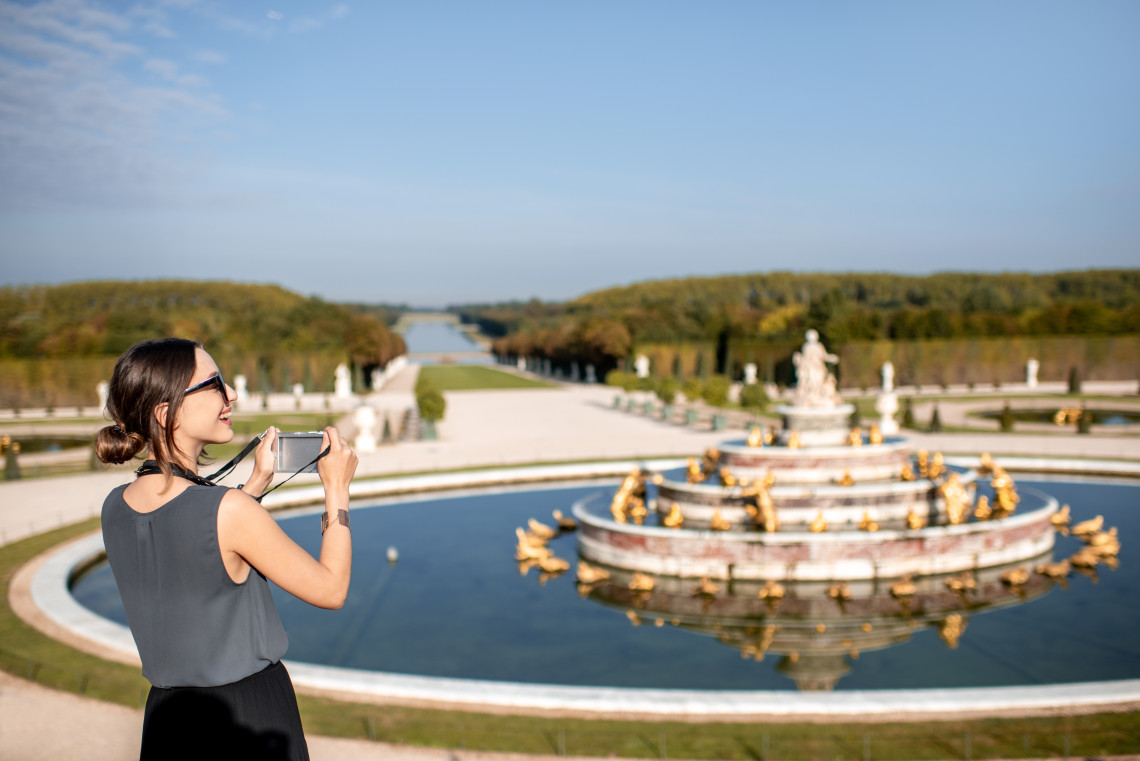
The most famous palace on Earth, 22 km southwest of Paris, royal residence of Louis XIV through Louis XVI. The Hall of Mirrors, the Royal Apartments, Marie Antoinette's hamlet, the Le Nôtre gardens. The single most visited French château outside Paris.
Book the timed ticket in advance. Arrive at 9am opening or after 3pm. Allow a half to full day. Tuesdays and weekends bring the musical fountain shows in the gardens.
Plan it well: The Châteaux of France.
3. See the Eiffel Tower (but maybe from below)
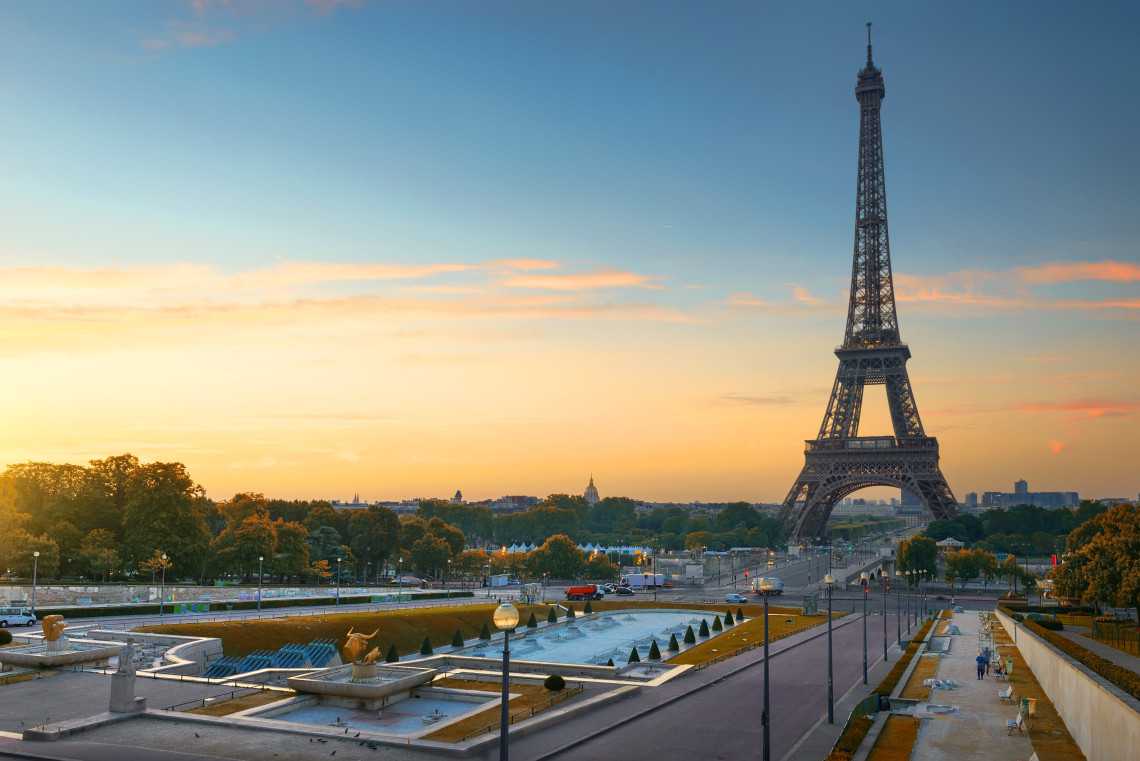
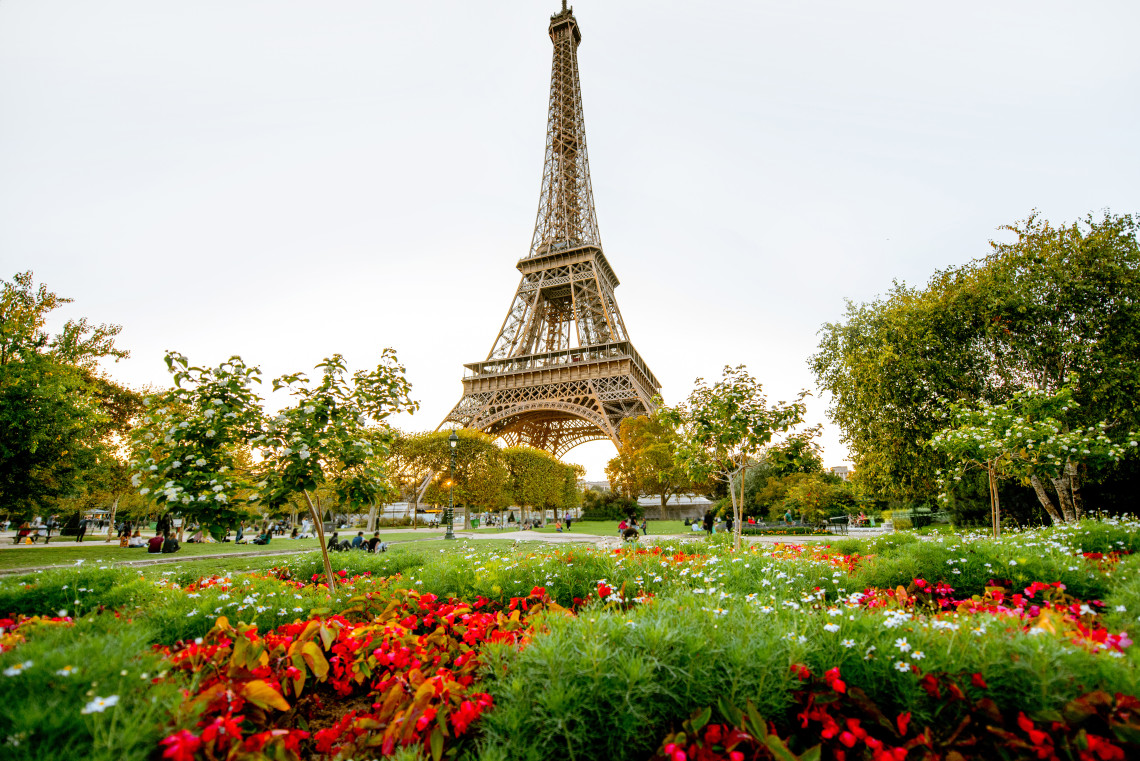
The Eiffel Tower is unmissable, the icon of icons, illuminated every hour after sunset. The honest truth: the view from inside the tower is good, but the view of the tower from outside is often better. The most photographed angles come from Trocadéro across the Seine, the Champ de Mars below, the Pont de Bir-Hakeim bridge, and Avenue de Camoëns.
If you do want to ride up: pre-book a timed ticket online. Walk-up queues can exceed 90 minutes in peak season.
4. Spend a half-day at the Louvre
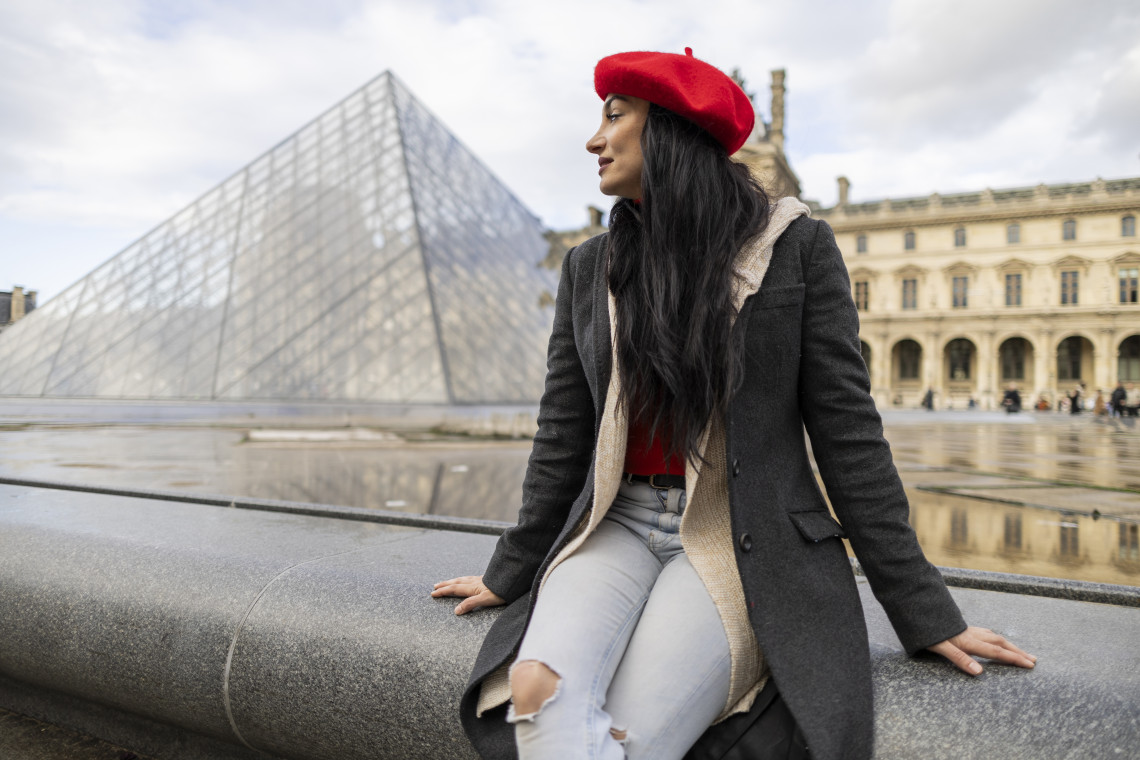
The largest art museum in the world. Over 35,000 works on permanent display across five buildings around the Pyramide entrance. The Mona Lisa, the Winged Victory of Samothrace, the Venus de Milo, the David paintings, the Egyptian antiquities, the medieval Louvre foundations.
A half day is the right budget. The full collection takes weeks. Pre-book the timed entry, enter through the less-crowded Carrousel du Louvre underground entrance, and pick three sections you actually want to see.
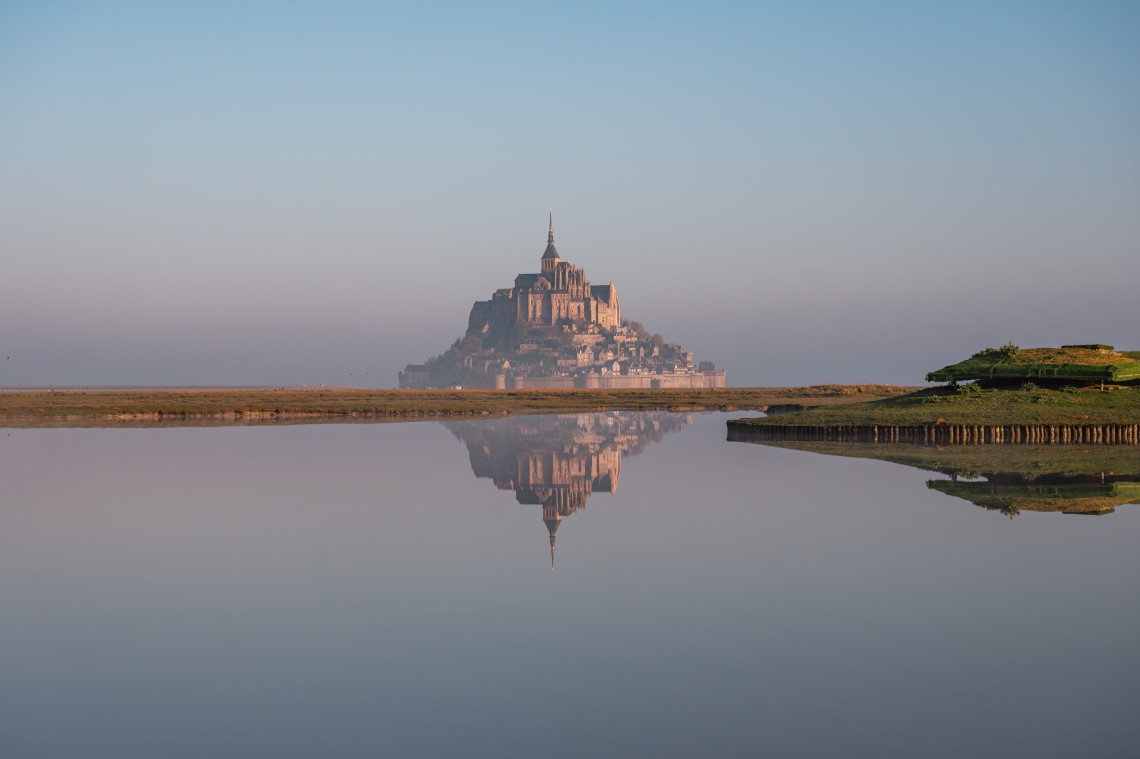
5. Cross the causeway to Mont Saint-Michel
A medieval abbey on a tidal island where Normandy meets Brittany. The tides advance fast (the bay tides are among the largest in Europe at up to 14 meters difference). The abbey at the summit is the visual focus, but the village below, the climb up, and the view of the bay are all part of the experience.
Stay overnight at one of the small hotels on the island or on the mainland causeway. The empty post-tourist sunset and the dawn light, with the abbey reflected in the wet sand, are some of the most photographed moments in France.
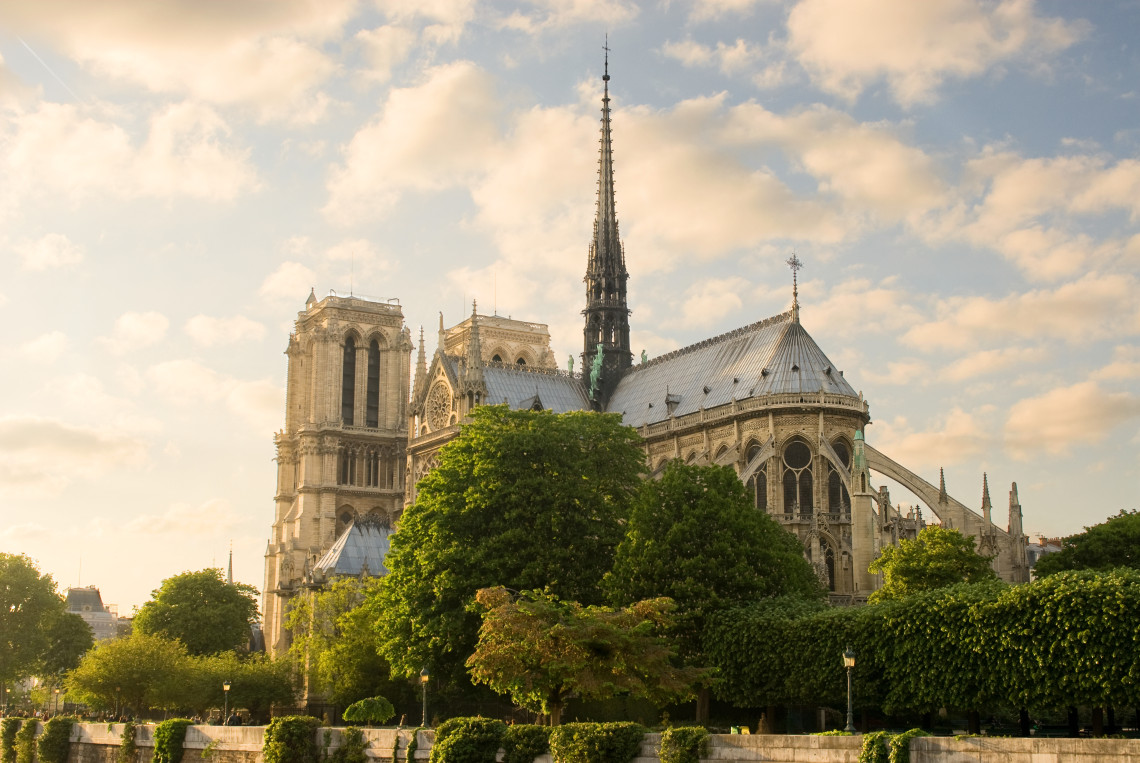
6. See Notre-Dame (now reopened)
After the 2019 fire, Notre-Dame reopened in December 2024 after a five-year restoration that brought the cathedral back to a more luminous version of its original form. Free to enter, with the gothic stained glass, the rose windows, and the cleaned-stone interior catching the light again.
If queues are too long, the equally extraordinary Sainte-Chapelle (10 minutes' walk) and its stained glass walls are an alternative or a complement.
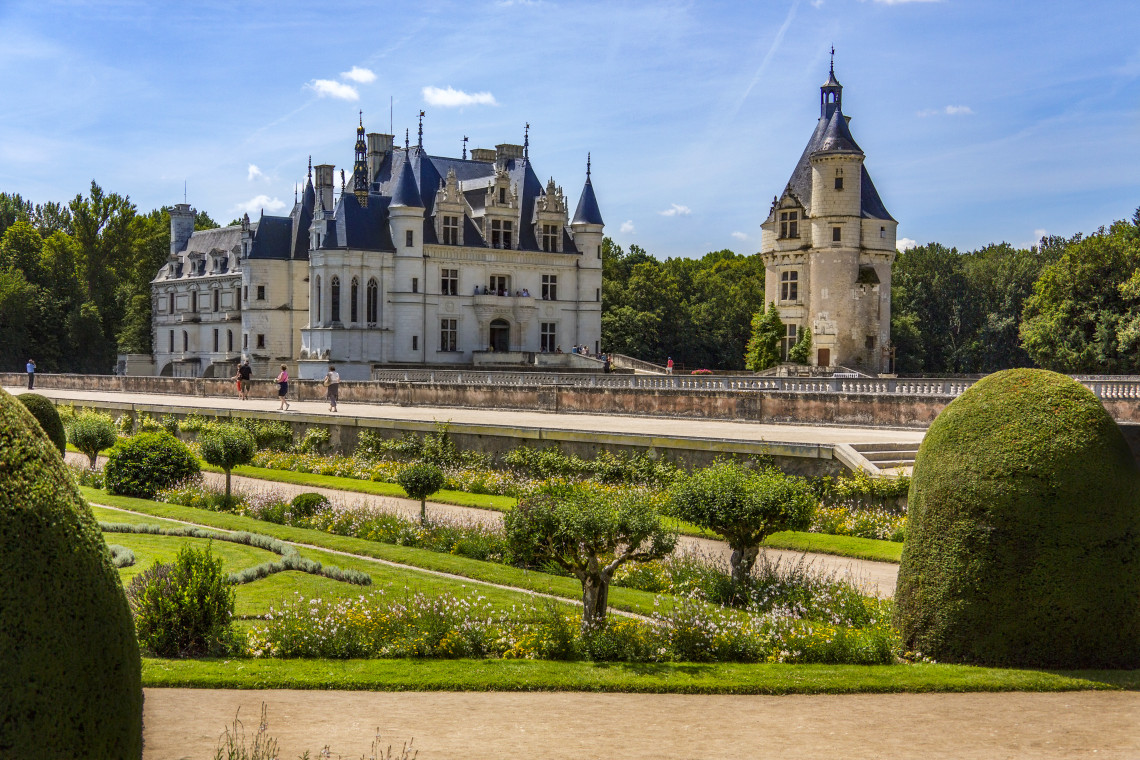
7. Visit the Loire Valley châteaux
France's Renaissance heartland between Tours and Angers, with more than 300 châteaux. The famous five: Chambord (largest, most theatrical), Chenonceau (most photographed, built across the river), Amboise (royal hilltop), Villandry (the gardens), Cheverny (the inspiration for Tintin's Marlinspike Hall).
Two days based in Amboise or Tours is the realistic minimum. Three to four days is better. A car is effectively required.
Plan it well: Châteaux of France and France by Train vs Car.
Signature experiences
These are the things you do in France that you do not anywhere else, or do not as well.
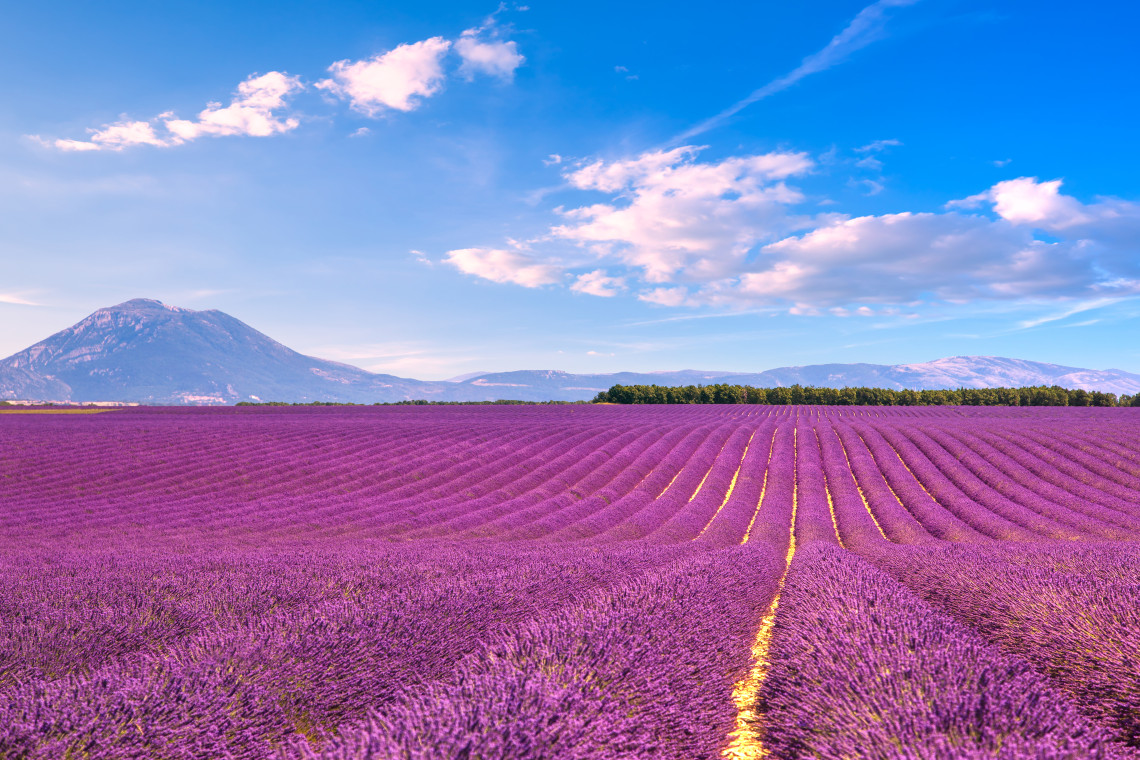
8. See lavender bloom in Provence
The lavender fields of the Plateau de Valensole, the Sault region, and the Luberon. The bloom is only roughly three weeks a year, peaking from late June to mid July. Outside that window the fields are green or harvested stubble.
The best photographic spots are the Plateau de Valensole (the most cinematic, used in most calendar shots), the Abbey of Sénanque near Gordes (the postcard image of a stone abbey in a purple field), and the back roads around Sault.
If lavender is your goal, the date matters more than the destination. Confirm your trip is within the bloom window before you book.
Plan it well: Best Time to Visit France.
9. Drink your way through one of the four great wine regions
France's four iconic wine regions are wildly different places to drink in. Bordeaux for grand châteaux and big structured reds. Burgundy for intimate cellar tastings with the winemaker and the world's most prestigious Pinot Noir. Champagne for sparkling and easy Paris weekends (45 minutes by TGV). The Loire for affordable, gentle, food-friendly whites and reds.
For a first French wine trip, Champagne or the Loire are the easier entries. Bordeaux and Burgundy reward more committed wine travelers.
Plan it well: French Wine Regions Compared.
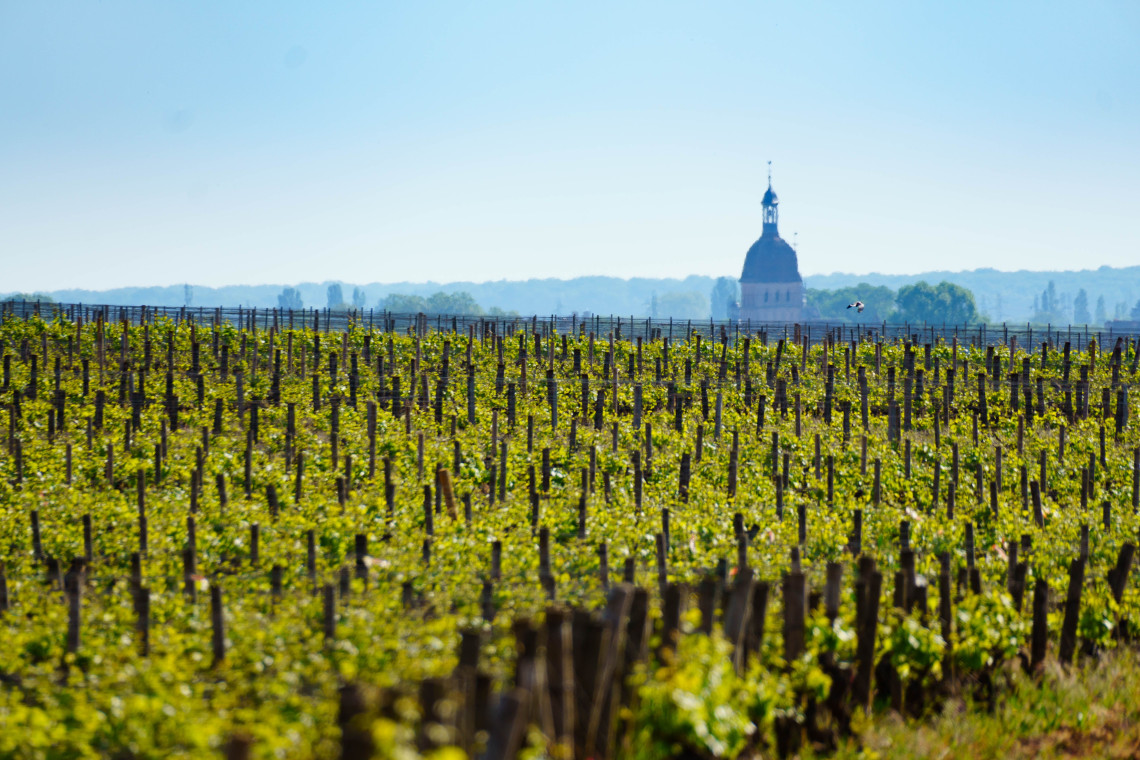
10. Tour a Champagne house in Reims or Épernay
The most theatrical of the French wine experiences. Champagne houses run polished underground tours through 10 to 20 meter chalk cellars (some UNESCO listed), explain the méthode champenoise, and end with a glass of their own wine. The famous houses: Veuve Clicquot, Taittinger, Pommery, Ruinart in Reims; Moët & Chandon, Pol Roger, Perrier-Jouët in Épernay. Plus a rising tier of grower Champagnes (small family producers) that deliver an entirely different style of nuance.
Reach Reims from Paris in 45 minutes by TGV. A 2 to 3 night trip is enough to do it well.
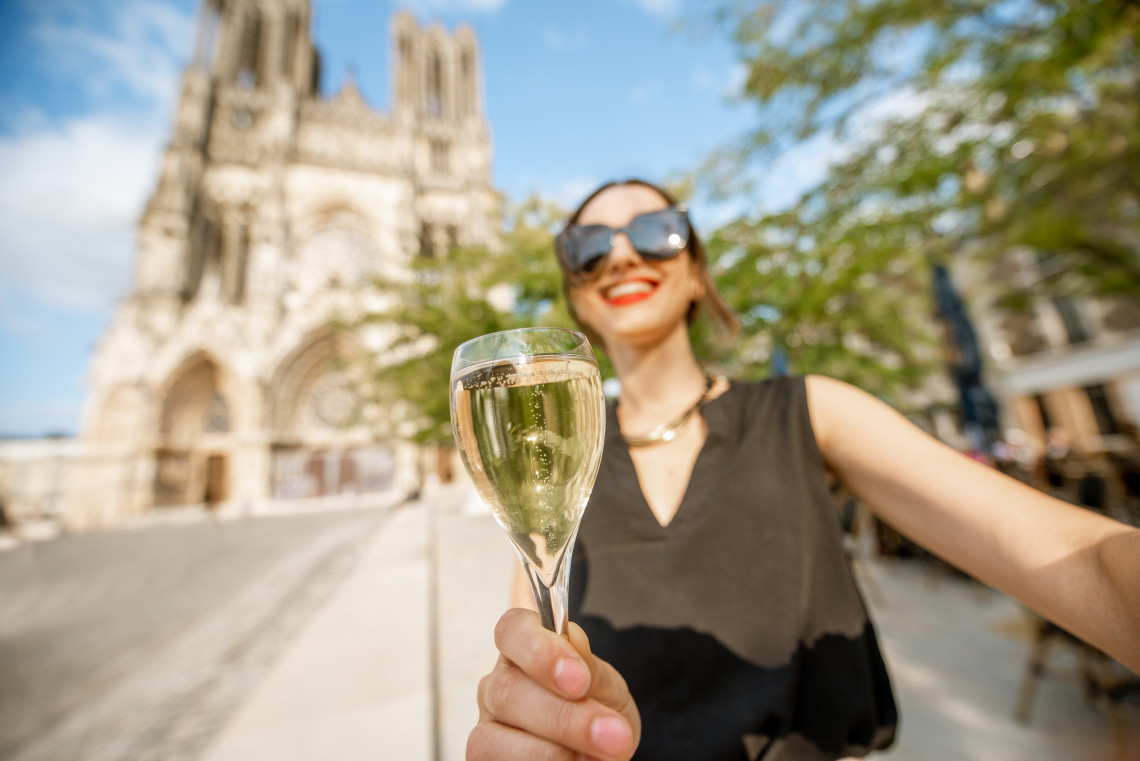
11. Visit Alsace's Christmas markets
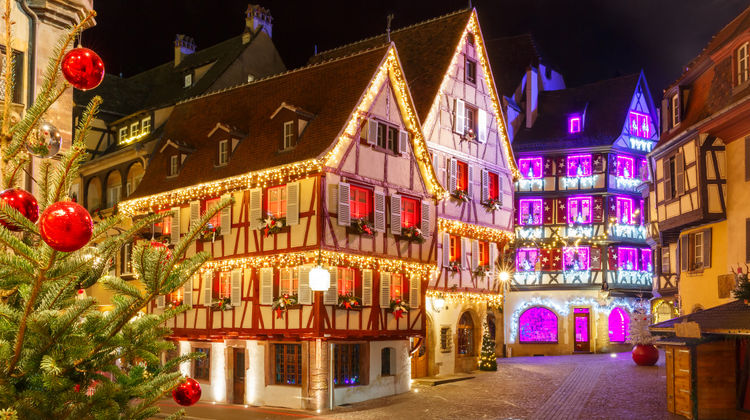
Strasbourg's market (the Capital of Christmas) and Colmar's old town markets are the two most famous in Europe. Late November to late December, with the wooden chalets, mulled wine, the twinkly lights against half-timbered houses, the giant Christmas tree at Place Kléber in Strasbourg. The smaller villages along the Alsace Wine Route (Riquewihr, Eguisheim, Kaysersberg) host their own markets in a more intimate setting.
The week between Christmas and New Year is the most atmospheric but also the most crowded. Late November to mid December gives the markets without the peak.
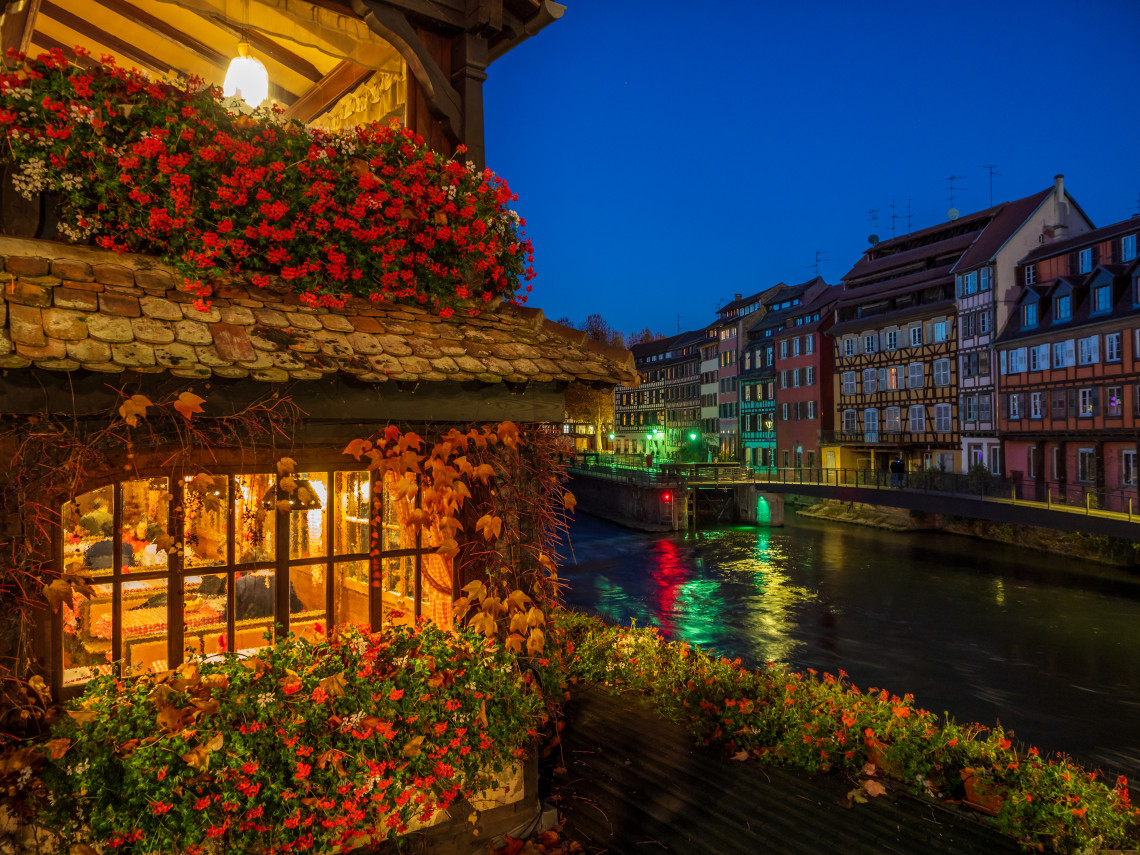
12. Train down the French Riviera coast
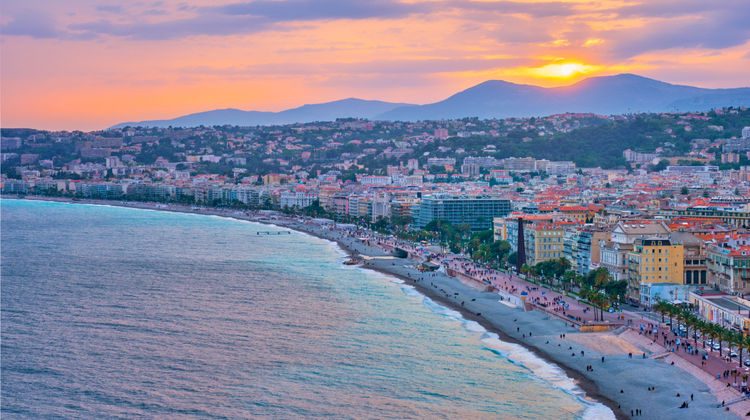
The TER coastal train between Marseille and Ventimiglia stops at every Riviera town: Cannes, Antibes, Cap d'Antibes, Nice, Villefranche, Èze-sur-Mer, Monaco, Menton. A 5 day Riviera trip based in Nice with day trips by train is one of the easiest holidays in Europe. Beach days, harbor wandering, glamorous lunches in Monaco, sunset terraces in Villefranche, gallery visits in Antibes (the Picasso Museum) and Saint-Paul-de-Vence (the Maeght Foundation).
Best in late May to early July and in September. Avoid August unless you love Mediterranean heat and crowds.
Plan it well: French Coastline Compared.
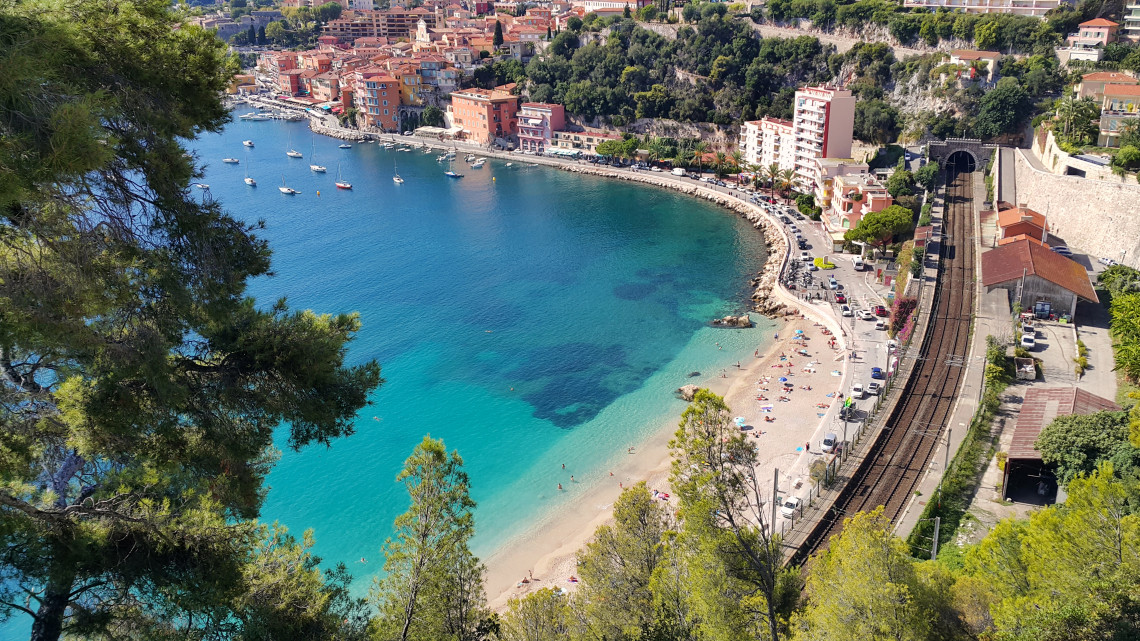
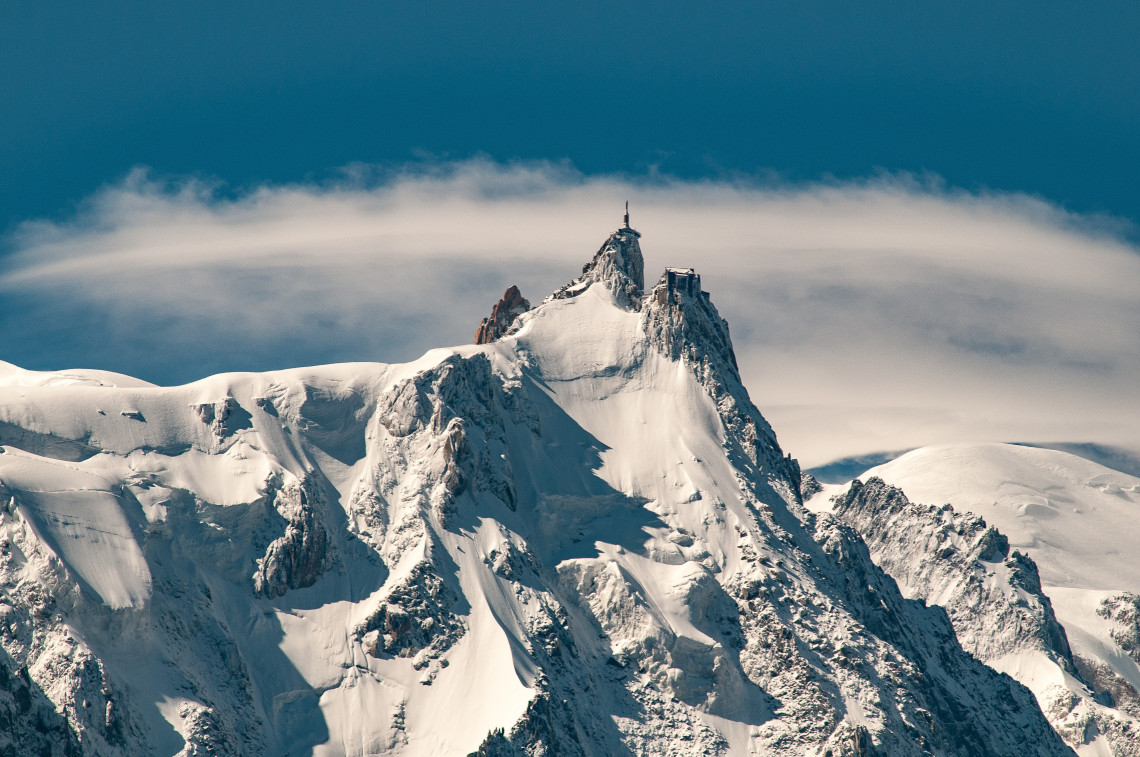
13. Ride the Aiguille du Midi cable car above Chamonix
The second most visited attraction in France after the Eiffel Tower. The cable car from central Chamonix rises 2,800 meters in 20 minutes to a viewing terrace at 3,842 meters, with face-on views of Mont Blanc, the Mer de Glace glacier, and a 360-degree panorama across the Alps. The optional Step into the Void glass cube suspends you over a 1,000 meter drop.
Around 100 euros for the round trip. Universally described as worth it. Best in clear weather (check the forecast obsessively before going up).
14. Take a Seine river cruise at sunset
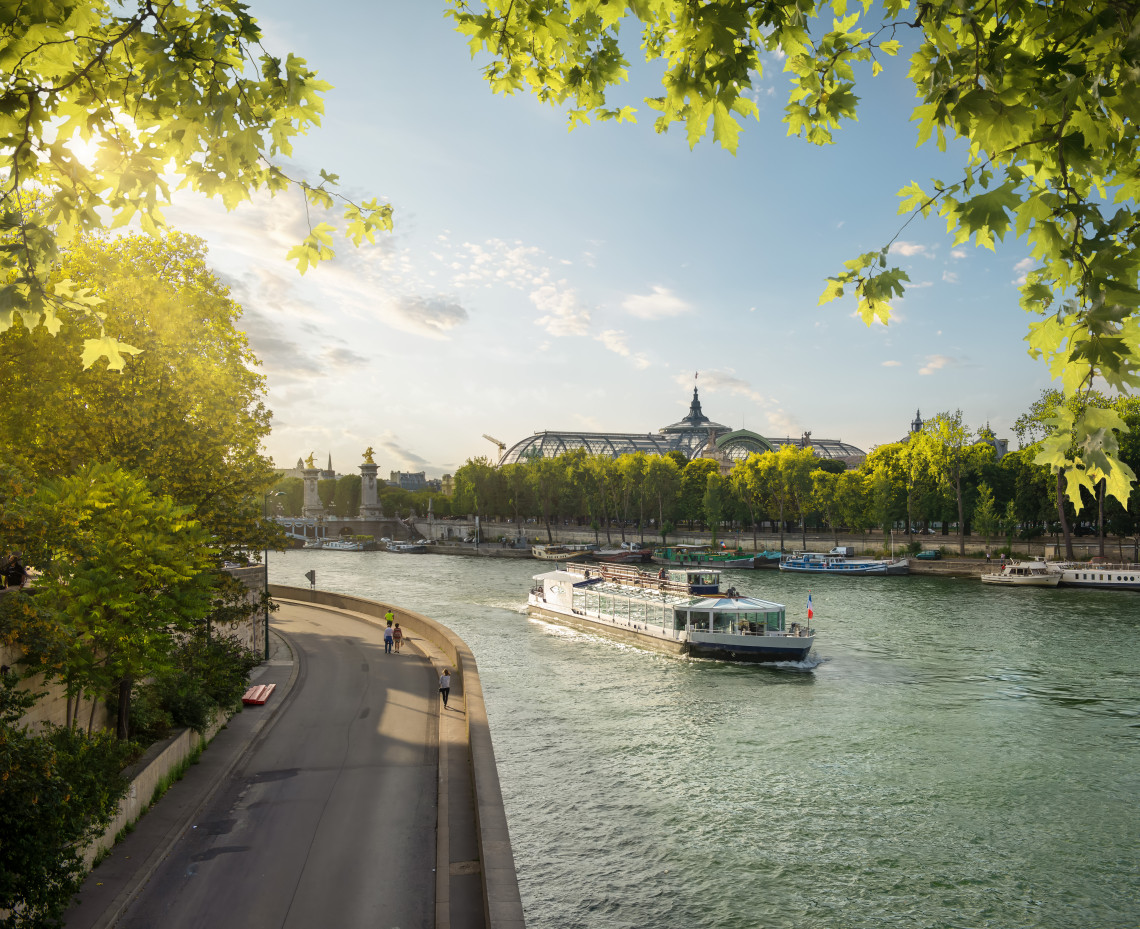
The simplest, most-postcarded Paris experience. A 1-hour boat ride down the Seine, passing under the bridges, alongside Notre-Dame, the Louvre, the Musée d'Orsay, the Eiffel Tower, the Pont Alexandre III. Best timed at sunset (late June for the latest sunset around 10pm; March or October for sunsets around 7pm). Bateaux Mouches and Vedettes du Pont-Neuf are the most established operators. Or upgrade to a small private boat for a more romantic version.
Towns and regions worth flying for
The famous towns of France, organized roughly by region.
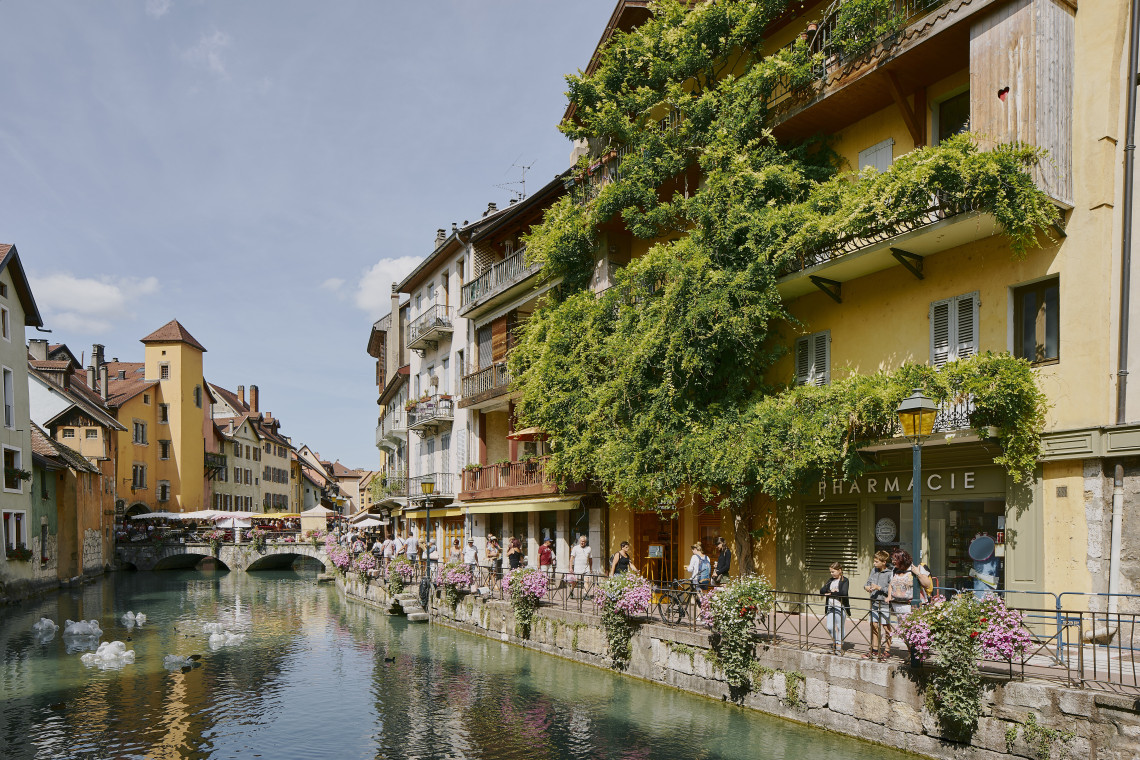
15. Spend a weekend in Annecy
The lakeside town in the French Alps, 40 km south of Geneva. The old town is a maze of stone streets cut by canals, with the Palais de l'Isle (12th century stone island fortress) at the center. The lake itself is one of Europe's cleanest, with swimming temperatures of 22 to 25°C in July to August and a 40 km lakeshore path for cycling.
For an extra layer: paragliding over the lake from Col de la Forclaz delivers what travelers consistently describe as one of the best 30 minutes of their France trip.
16. Walk Colmar's old town and Petite Venise
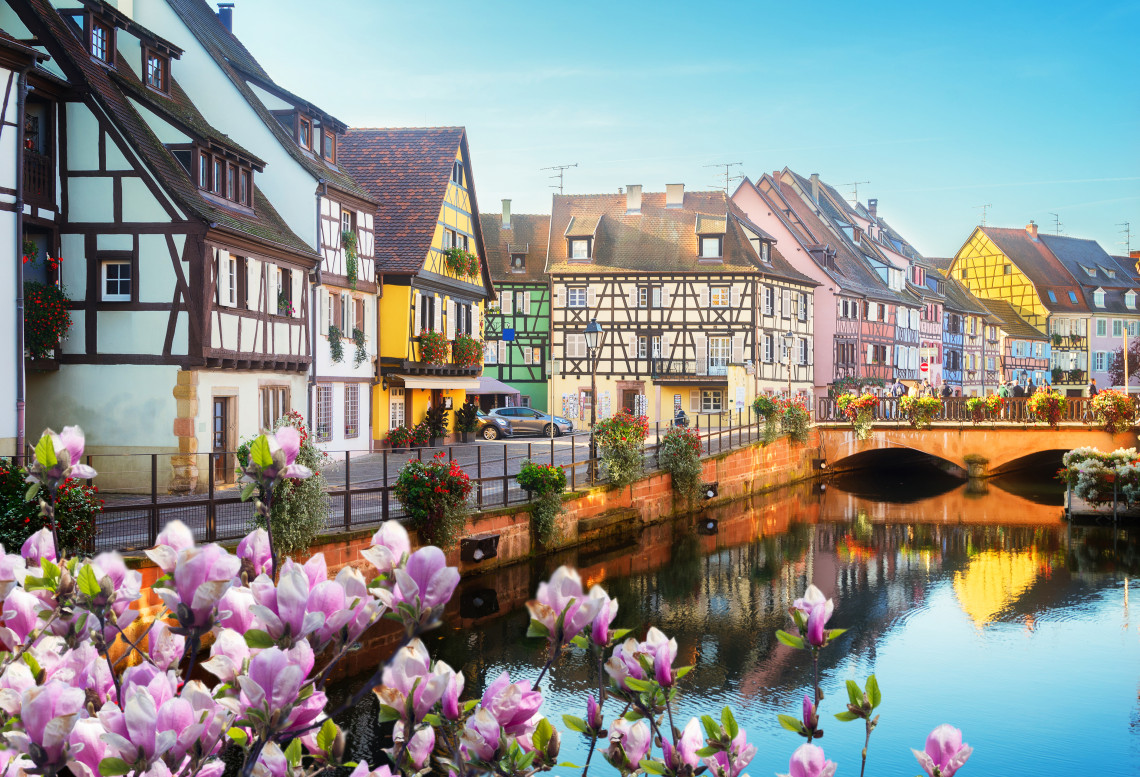
The most photographed town in Alsace. Half-timbered houses in pastel colors lining canals (the "Petite Venise" district). The Unterlinden Museum holds Grünewald's Isenheim Altarpiece, one of the most powerful religious paintings ever made. Day trip from Colmar to Eguisheim (7 km, the postcard-perfect wine village) and Riquewihr (12 km, the village inside Renaissance walls).
Best in late April to early July, September to early October, and late November to late December (Christmas markets).
Plan it well: Hidden France: 10 Small Towns Most Tourists Miss.
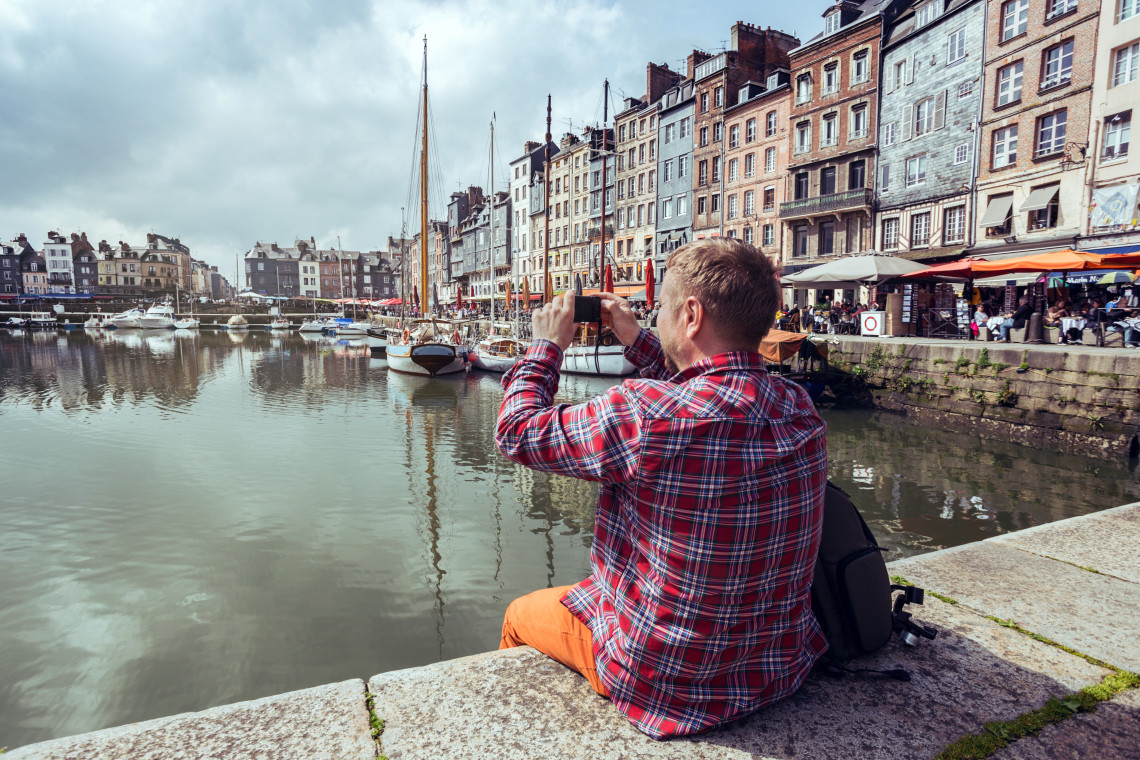
17. Photograph Honfleur's harbor
The Norman fishing port that inspired the Impressionists. Boudin, Monet, and Jongkind painted the Vieux Bassin (inner harbor) here. Today the harbor is much as it was in 1860, ringed with restaurants and galleries. The Sainte-Catherine church is one of France's largest wooden churches, built by 15th century shipbuilders.
Honfleur combines naturally with the cliffs of Étretat (25 km west, Monet's famous chalk cliff paintings) and the Côte Fleurie resorts (Deauville, Trouville).
18. Explore Bordeaux city and Saint-Émilion
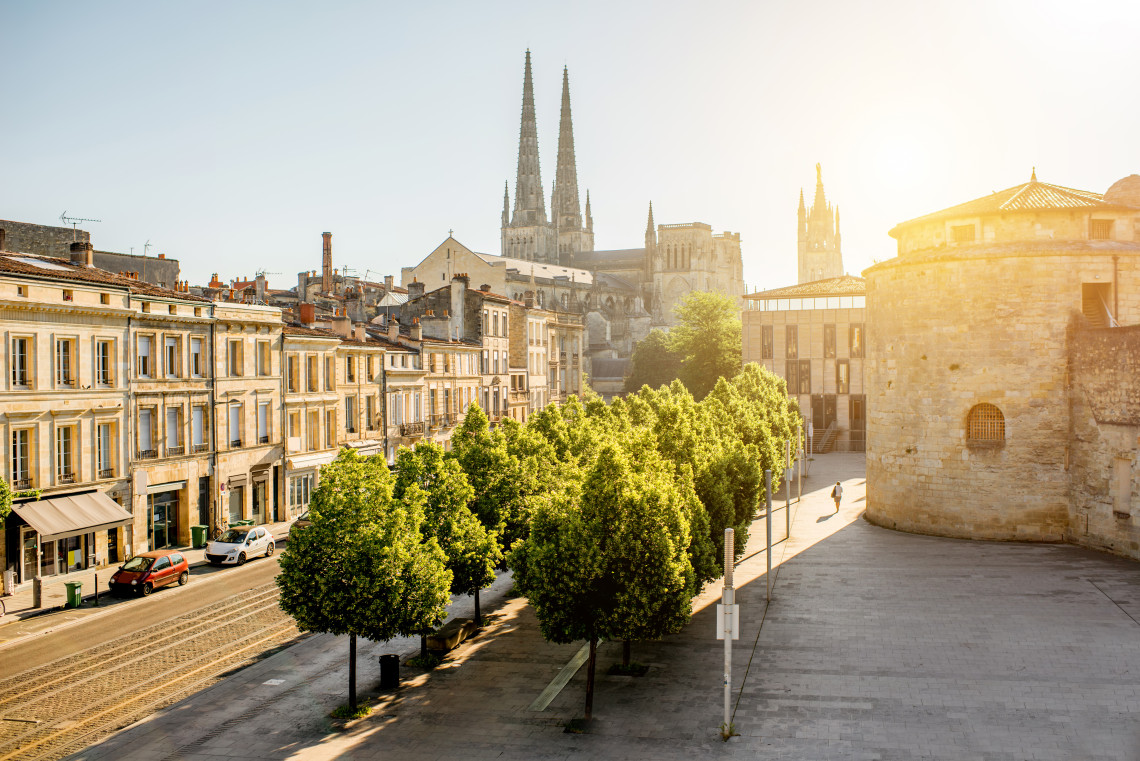
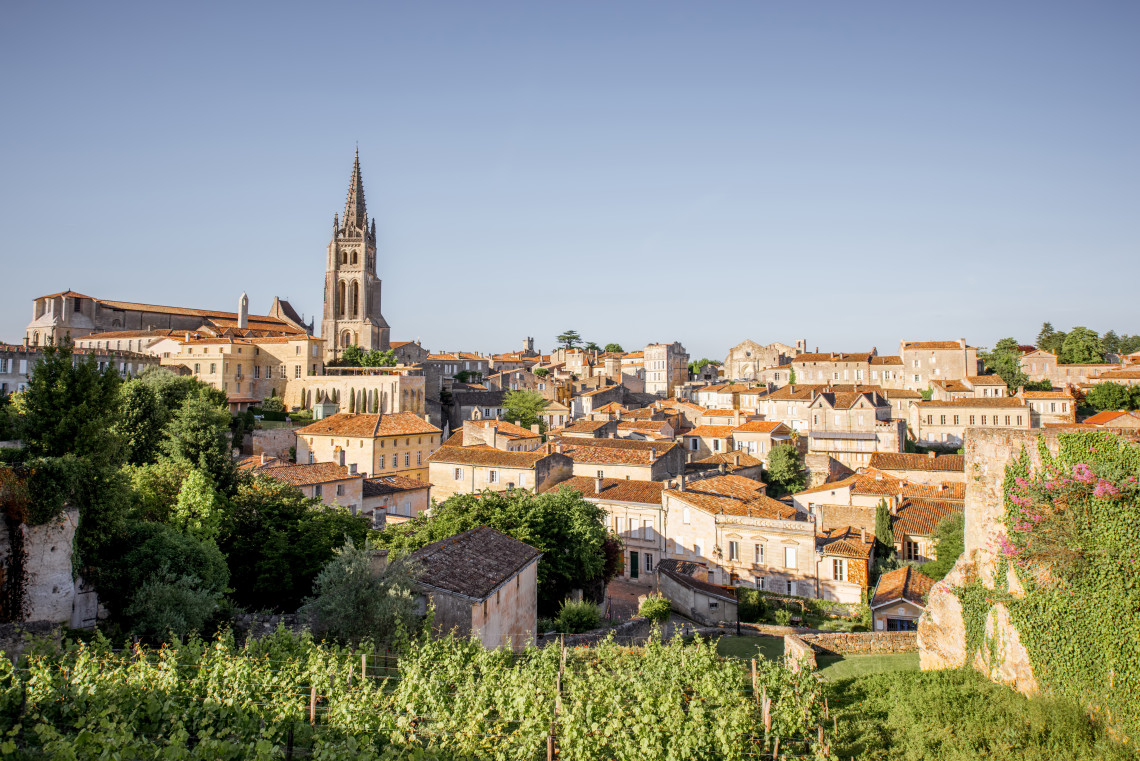
Bordeaux city is a perfectly restored 18th century stone city, recently revitalized, with the Cité du Vin (a striking modern museum dedicated to world wine), excellent food, and the highest concentration of fine wine restaurants outside Paris. From Bordeaux, the medieval wine village of Saint-Émilion is 35 minutes by TER train. UNESCO listed, medieval, with the Église Monolithe (a 12th century church carved entirely out of the limestone bedrock) and kilometers of underground wine cellars in the old limestone quarries.
Combine with a day in the Médoc (Pauillac, Margaux, Saint-Julien for the classified-growth châteaux) and a stop at Arcachon Bay for the Dune du Pilat.
19. Eat your way through Lyon
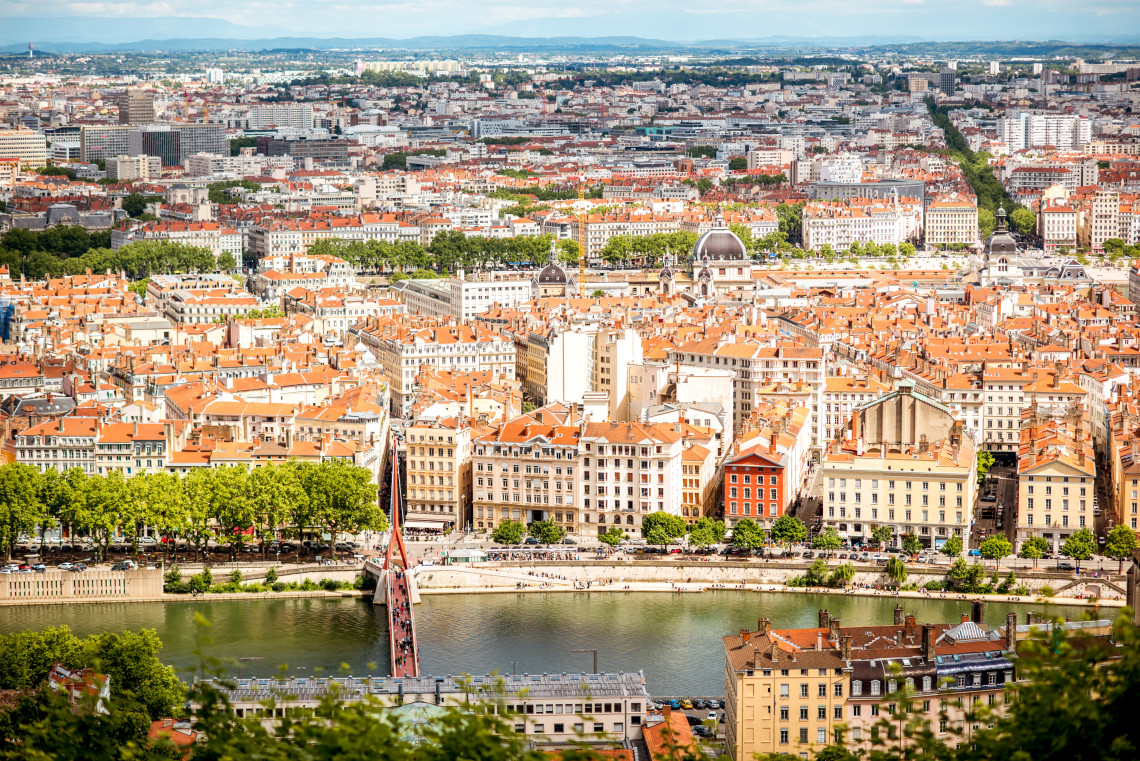
France's third largest city and arguably its gastronomic capital. Lyon hosts more Michelin stars per capita than Paris, the legacy of Paul Bocuse and the Mères lyonnaises tradition. The Vieux Lyon district is one of Europe's largest Renaissance urban ensembles, UNESCO listed, with the traboules (hidden passageways) running between buildings.
Eat at a traditional bouchon (Daniel et Denise, Le Garet, La Mère Brazier), visit the silk-weaving district of Croix-Rousse, walk along both rivers (the Rhône and the Saône meet at Lyon), and day-trip to nearby Beaune for Burgundy wine.
20. Visit Strasbourg, the Alsace capital
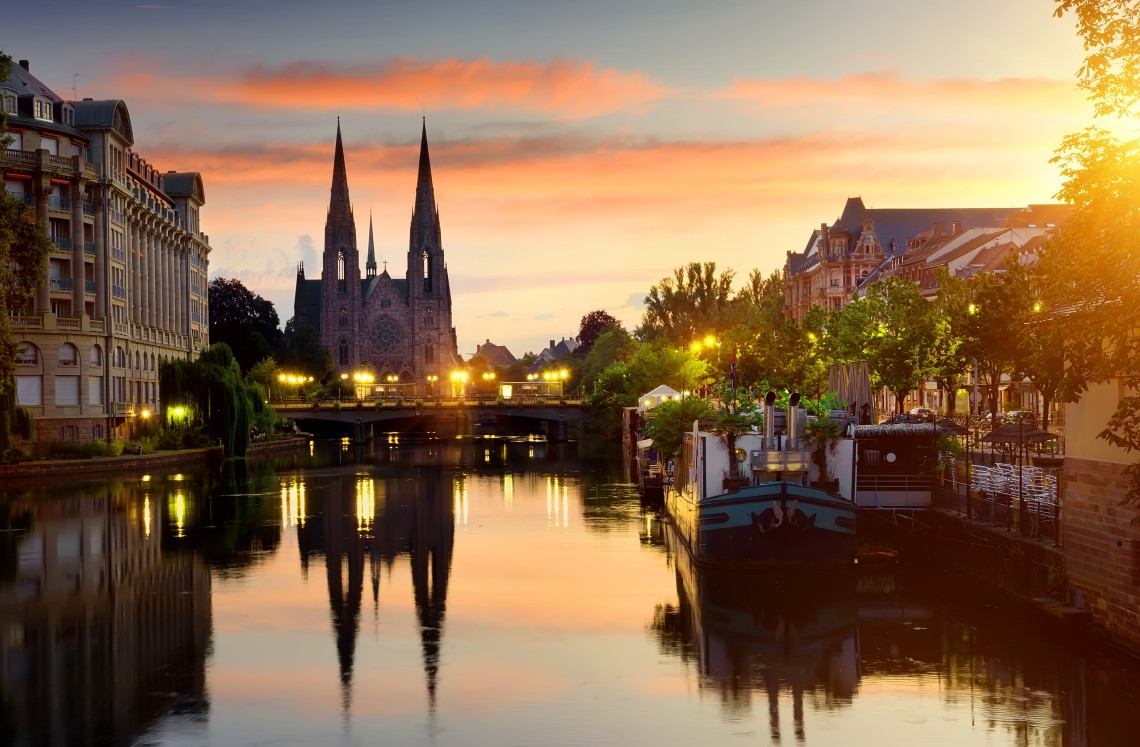
The seat of the European Parliament, on the German border. The historic center on the Grande Île is UNESCO listed: the Notre-Dame de Strasbourg cathedral (the tallest building in the world from 1647 to 1874), the Petite France district of half-timbered houses and canal locks, the riverside walks, the Christmas markets. Excellent food (winstubs serving choucroute and tarte flambée) and the highest density of Alsatian wine culture in the city.
90 minutes from Paris by TGV. Combine with Colmar (30 min by TER) and the Alsace wine route.
21. See Saint-Émilion's monolithic church and wine caves
We separated Saint-Émilion from Bordeaux (#18) because it deserves its own listing. The medieval wine village sits on a limestone hillside east of Bordeaux. The Église Monolithe (entirely carved into the bedrock) is the largest such church in Europe. Below the village run kilometers of limestone caves now used as wine cellars. Walking up to the Tour du Roy gives the best vineyard view in Bordeaux.
22. Walk the walled city of Carcassonne
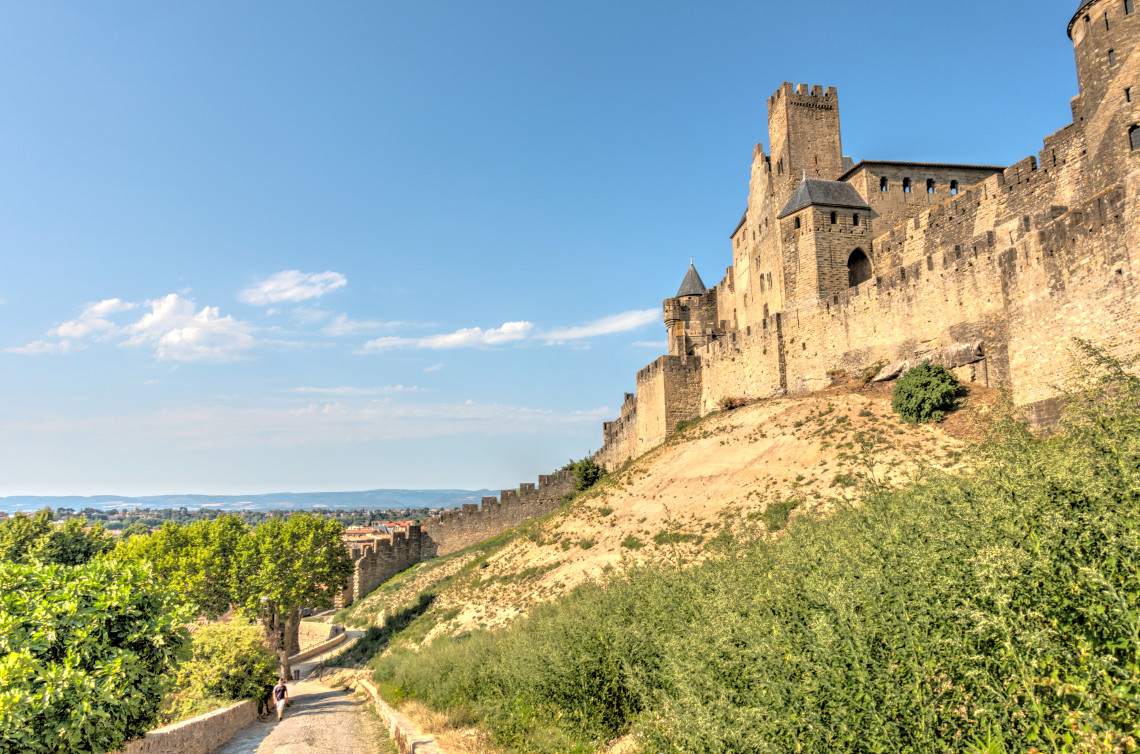
The most complete medieval fortified town in Europe, in Languedoc. UNESCO listed. Two concentric rings of walls, 52 towers, narrow cobbled streets inside, the basilica of Saint-Nazaire, the count's château at the top. Heavily restored in the 19th century by Viollet-le-Duc (which gives the slightly Disney-esque silhouette), but the result is one of the most cinematic medieval ensembles in France.
Stay overnight inside the walls (Hôtel de la Cité, or the more affordable maisons d'hôtes) for the empty post-tourist morning. Combine with a day in the nearby Cathar castles (Peyrepertuse, Quéribus).
Hidden gems
The France most North American travelers do not see on a first trip, but increasingly do on a second.
23. Walk Roussillon and the ochre villages of the Luberon
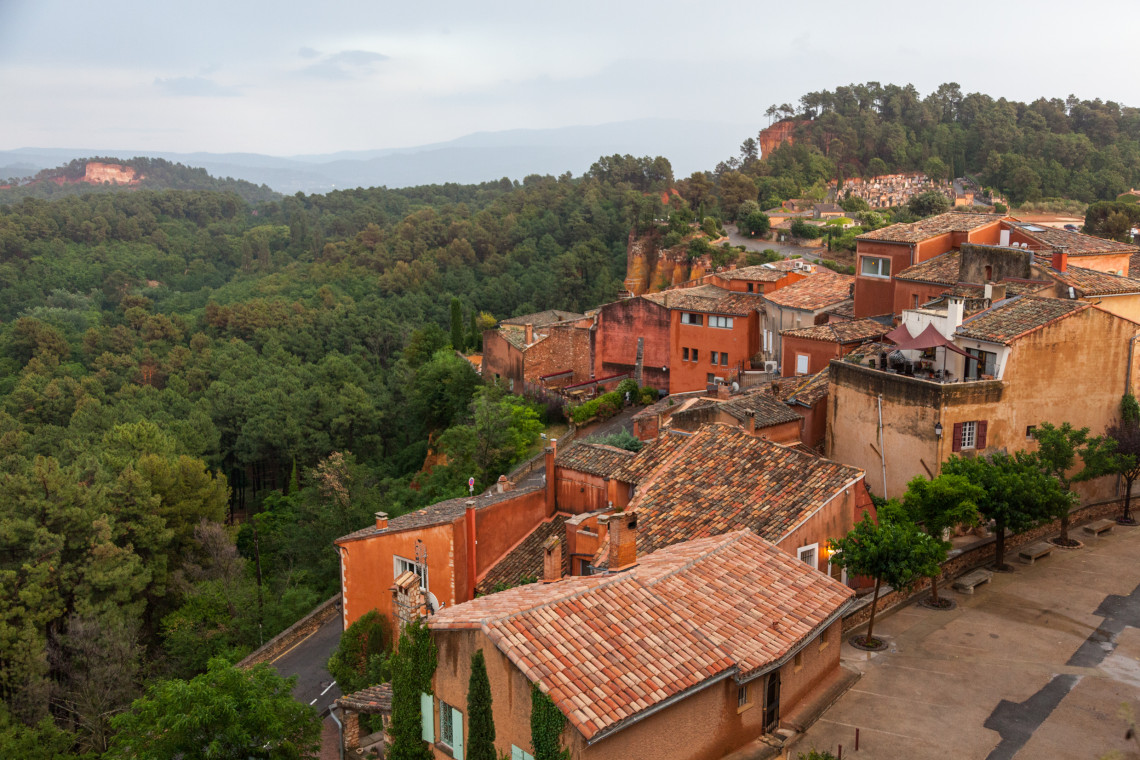
The Luberon villages of central Provence are one of the most photogenic clusters of small towns in France. Gordes, Bonnieux, Ménerbes, Lacoste, and especially Roussillon (built on red and orange ochre cliffs that give the entire village its color). The Sentier des Ocres (Ochre Trail) walks through the abandoned ochre quarries on the village edge — strange Martian landscapes of red, orange, and yellow stone.
A car is essential. Most travelers base in Gordes, Ménerbes, or Saint-Rémy and drive between the villages.
24. Kayak the Verdon Gorges
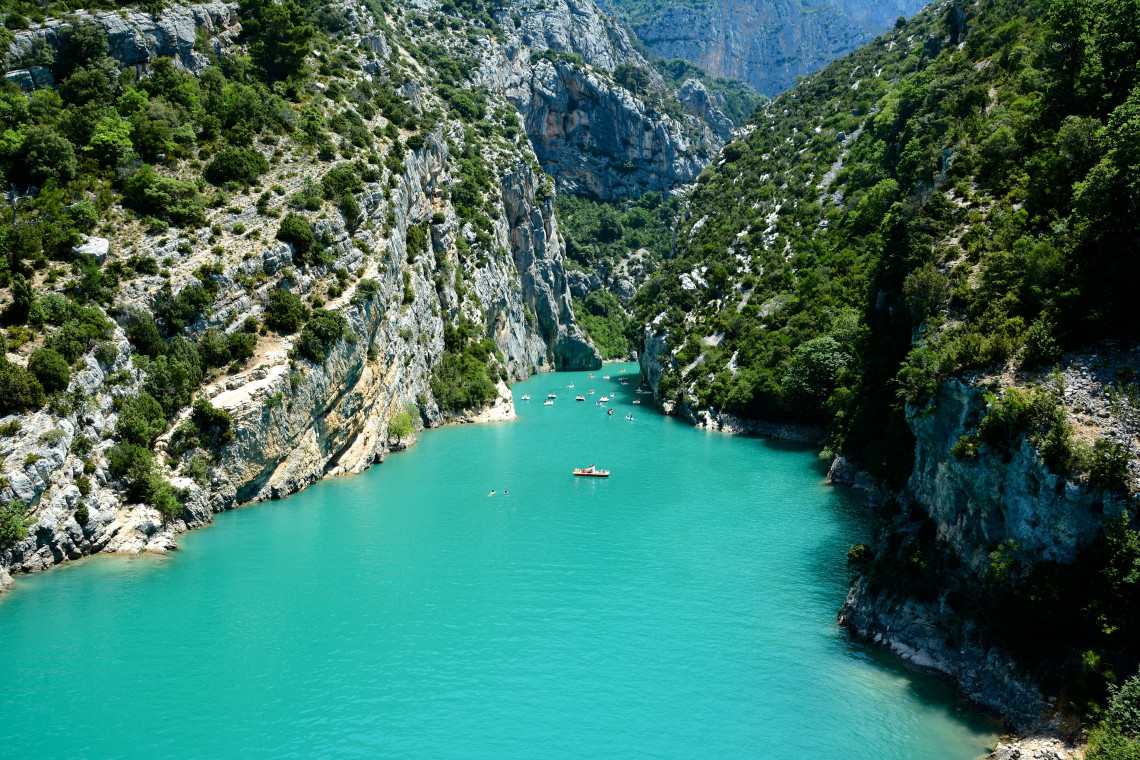
Often called Europe's Grand Canyon. The Verdon river cut a 25 km gorge through limestone in eastern Provence, with cliffs up to 700 meters above the turquoise water. Kayak rentals at the Lac de Sainte-Croix (downstream) let you paddle into the lower gorge. The Route des Crêtes drive along the rim is one of France's great scenic roads.
Best in May to June and September. July and August are warmest but parking in the rim villages (La Palud-sur-Verdon, Moustiers-Sainte-Marie) becomes impossible.
25. Climb the Dune du Pilat
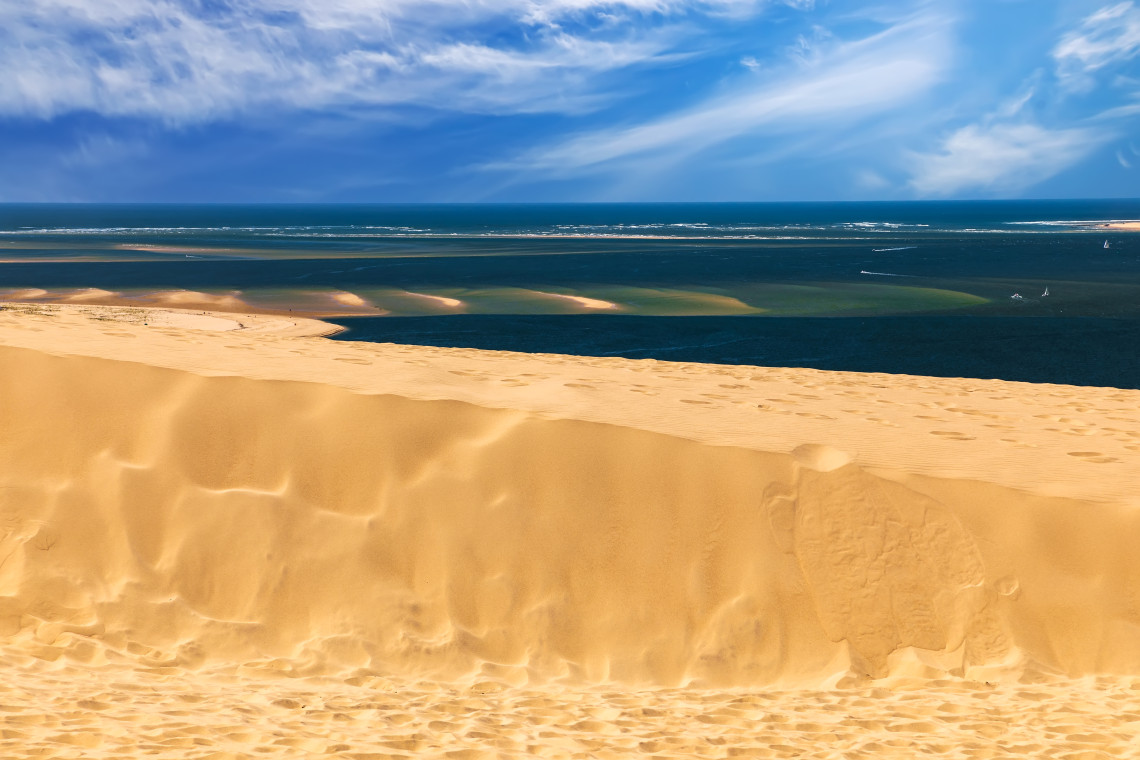
The tallest sand dune in Europe, 110 meters high, 3 km long, on the Atlantic coast 65 km southwest of Bordeaux. The dune is constantly moving (advancing eastward by about 4 meters a year) and sits on one of France's most beautiful nature reserves. The view from the top across the Arcachon Bay, the pine forests of the Landes, and the Atlantic is one of the most dramatic in southwest France.
Combine with oysters in Cap-Ferret (across the bay) and an afternoon at Arcachon's Ville d'Hiver district.
26. Spot flamingos in the Camargue
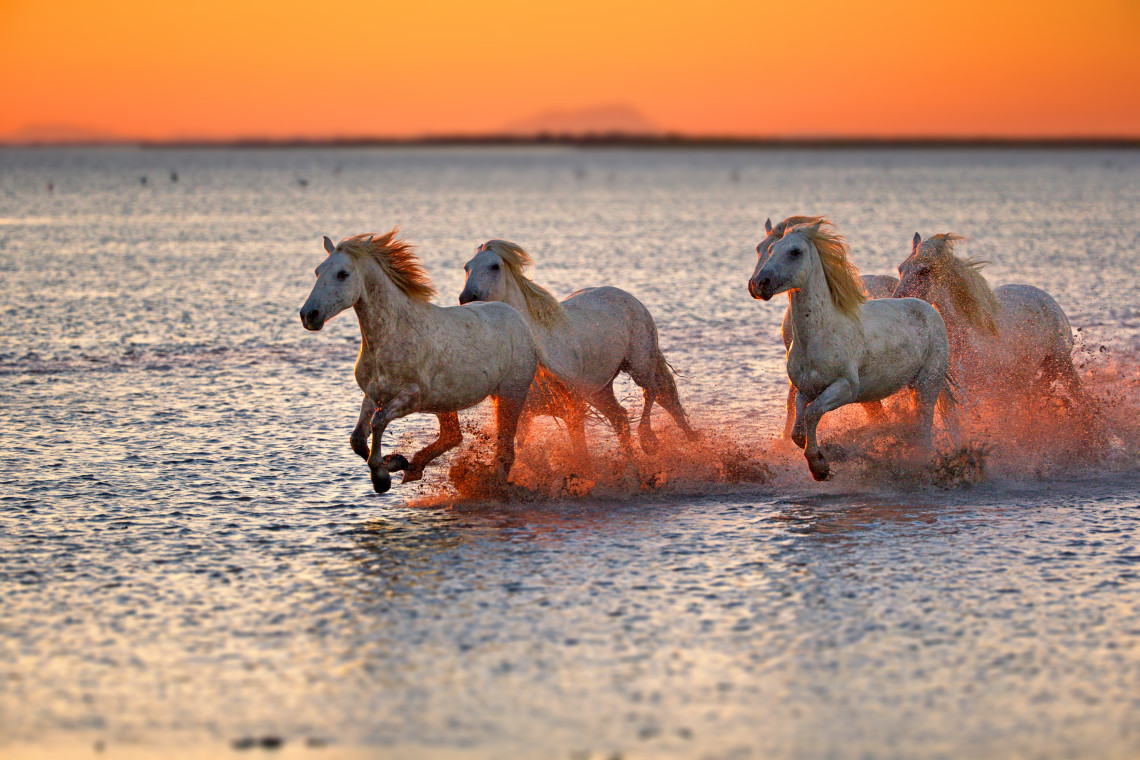
The Rhône delta in southern Provence, a wetland of marshes, lagoons, salt flats, and beach. Famous for its wild white horses, its black bulls, and its pink flamingos (Europe's largest flamingo population). The Parc Ornithologique du Pont de Gau is the easiest place to see them up close. The town of Saintes-Maries-de-la-Mer is the gateway, with the medieval church at its center.
Combine with Arles (Roman amphitheater, Van Gogh's painting sites) and Aix-en-Provence.
27. Walk the Côte de Granit Rose in Brittany
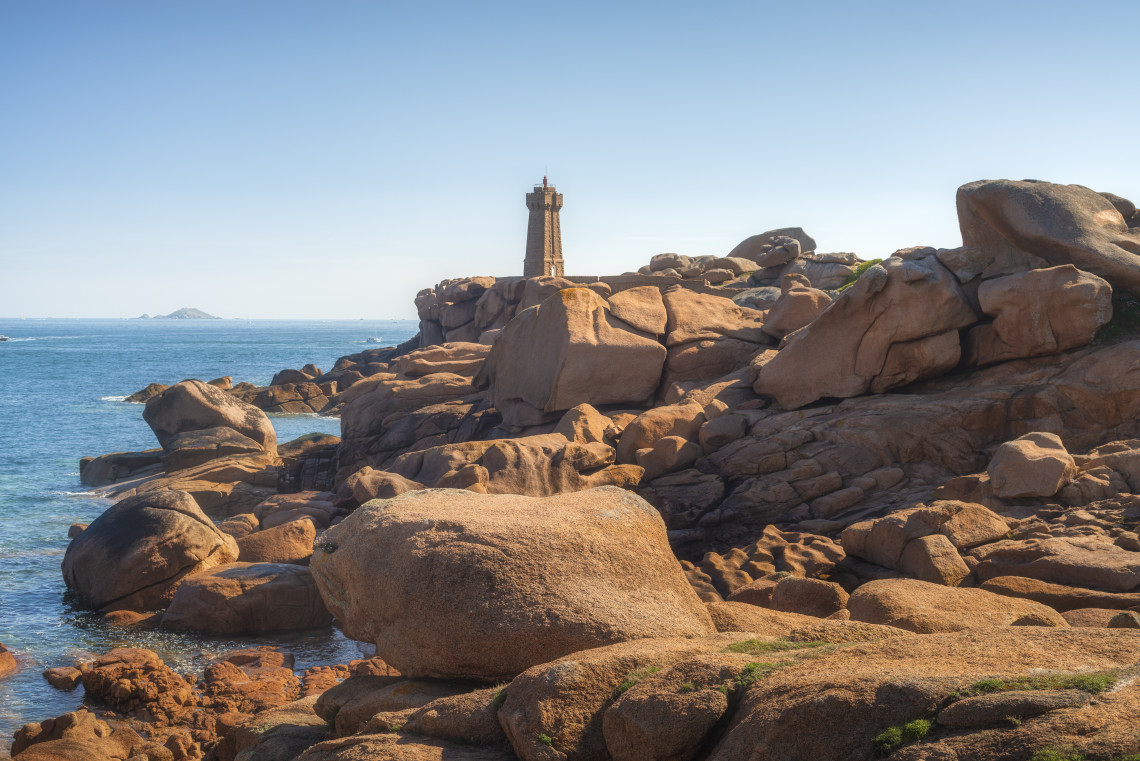
The Pink Granite Coast, on northern Brittany around Perros-Guirec. A 7 km coastal path (the Sentier des Douaniers, part of the longer GR34) winds through pink-granite boulders shaped by erosion into surreal forms. The light in the late afternoon turns the rocks luminous coral. One of France's most distinctive coastal walks, almost unknown to North American travelers.
The Île de Bréhat ferry from nearby Pointe de l'Arcouest is the natural extension.
28. See Albi and the Toulouse-Lautrec Museum
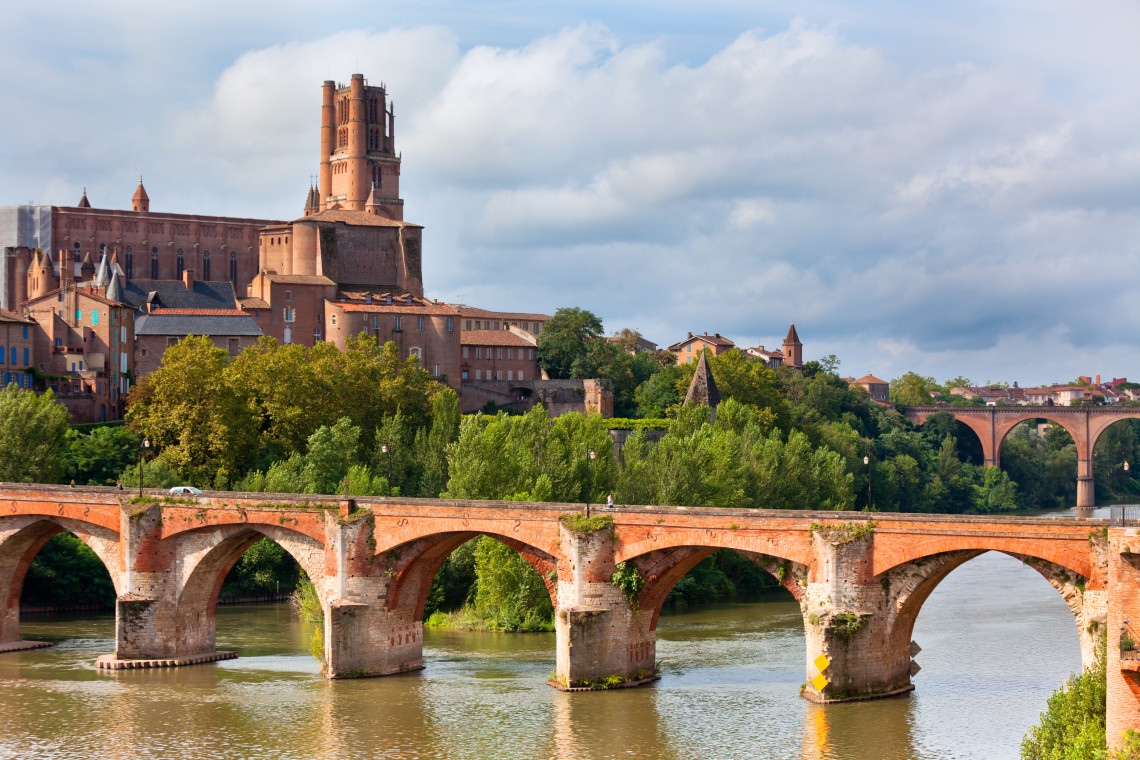
In the Midi-Pyrénées, 75 km northeast of Toulouse. Albi is a UNESCO listed medieval brick city, with the immense Sainte-Cécile cathedral (the world's largest brick building) and the Palais de la Berbie (the bishop's palace, now home to the Toulouse-Lautrec Museum, with the largest public collection of the painter's work — Toulouse-Lautrec was born in Albi).
Combine with Toulouse and the Cathar castles of Languedoc.
Adventures and activities
For travelers who want to do, not just to see.
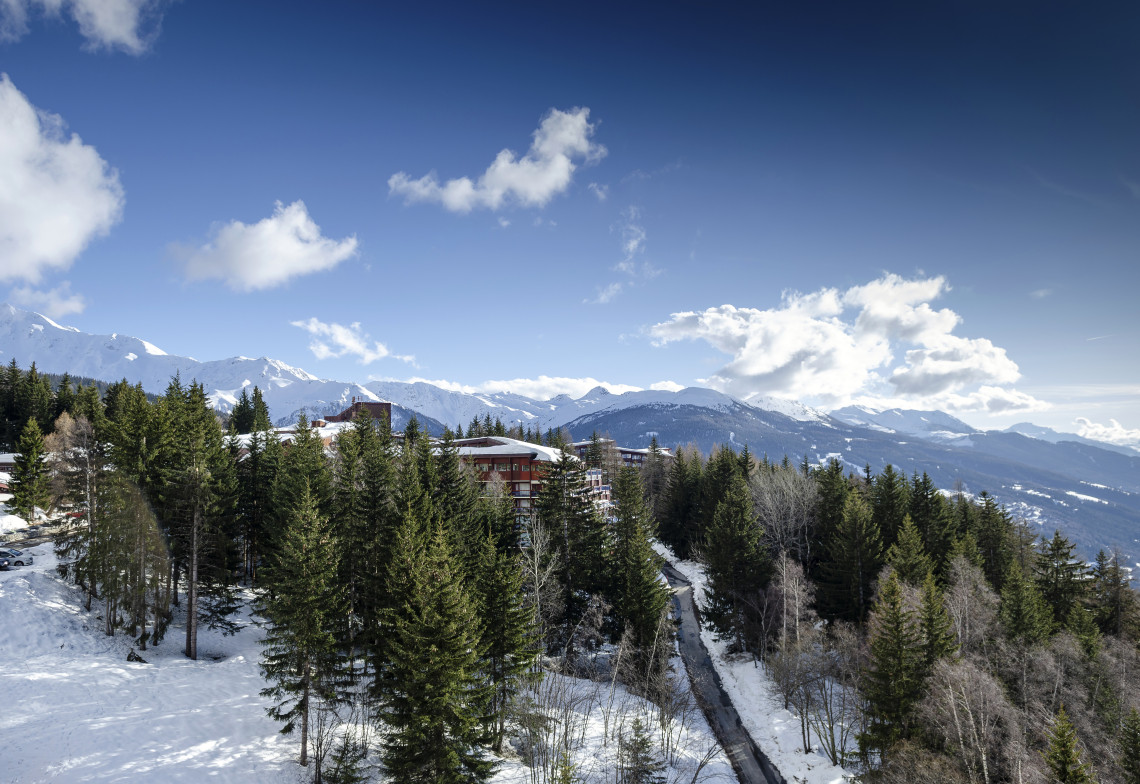
29. Ski the French Alps
France has the largest connected ski domain in the world, the Three Valleys (Courchevel, Méribel, Val Thorens), and several others in the top global ranks: Chamonix, Tignes, Val d'Isère, La Plagne, Avoriaz. Ski season runs December to mid April, with the most reliable snow from January through March. Many resorts offer summer hiking, climbing, and via ferrata routes.
Chamonix is the experienced skier's classic, with access to Mont Blanc, off-piste glacier descents, and the Vallée Blanche. Tignes-Val d'Isère for the highest snow reliability. Courchevel for luxury.
30. Surf Hossegor or Biarritz
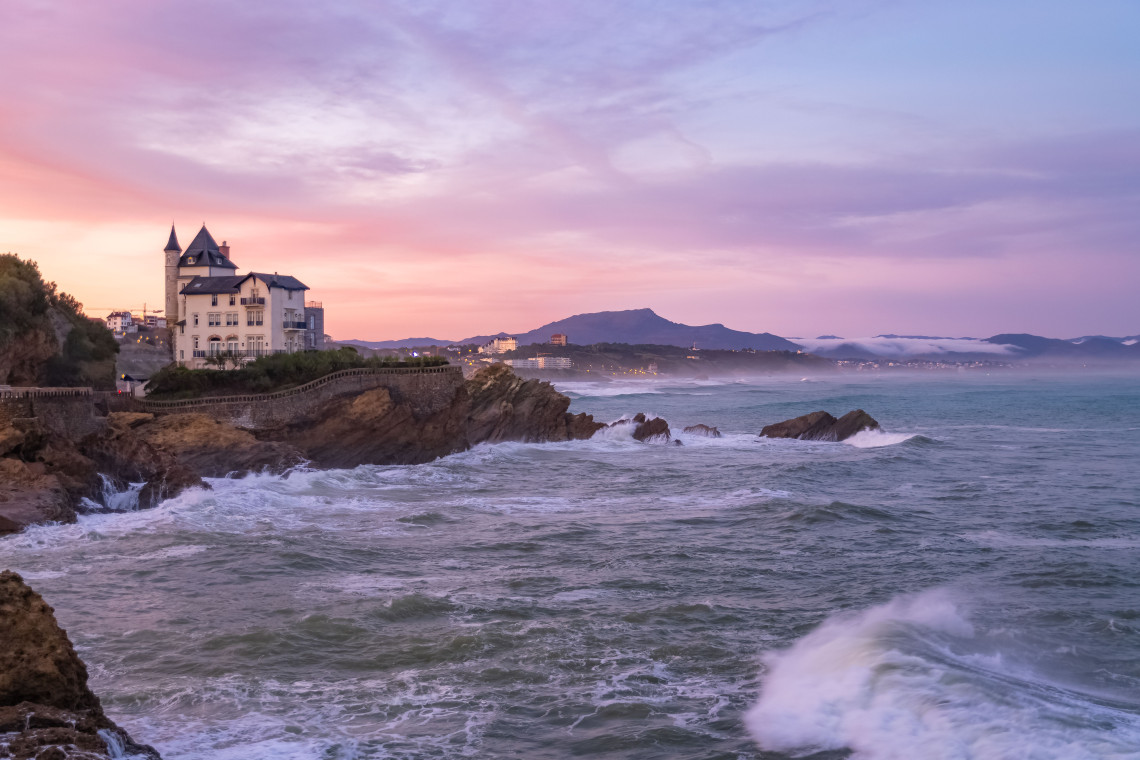
The Atlantic coast of southwest France delivers some of Europe's best surf. Hossegor (just north of Biarritz) is the European Pro Tour stop and the wave is genuinely world-class. Biarritz itself is more beginner-friendly, with surf schools along the Grande Plage and the Côte des Basques. The town is one of France's most charming smaller cities, Belle Époque architecture, excellent food (Basque cuisine), and easy reach from Bordeaux (2 hours by TGV).
Best in September to November (autumn swells) for serious surfers, June to August for beginners and beach culture.
How to combine them into a real trip
Reading a list of 30 things is one thing. Building them into a trip is another. Some patterns we use frequently:
First time, 7 days: Paris + Loire Valley (Versailles + 3 châteaux + Eiffel Tower + Louvre + Notre-Dame + Seine sunset).
First time, 10 days: Paris + Loire + Provence (above + Pont du Gard + lavender if season + a Luberon village + Aix-en-Provence).
First time, 14 days: Paris + Loire + Provence + Riviera (above + Nice base + Monaco + Antibes + Saint-Paul-de-Vence + Èze).
Wine focused, 10 days: Paris + Champagne (Reims) + Burgundy (Beaune) + Loire wine country.
Off-the-beaten-path, 14 days: Paris + Brittany (Saint-Malo, Mont Saint-Michel, Côte de Granit Rose) + Dordogne (Sarlat, Beynac, Roussillon) + Bordeaux + Saint-Émilion.
Christmas markets, 7 days: Paris (3 nights) + Alsace (Strasbourg, Colmar, Riquewihr — 4 nights).
Active and adventure, 10 days: Annecy + Chamonix (Aiguille du Midi, Vallée Blanche skiing in winter or hiking in summer) + Verdon Gorges kayaking + Cassis Calanques boat trip.
Plan it well: How Many Days in France and Which French Region First.
The ones we recommend most often for first timers
For first time France travelers writing to us, the consistent top three recommendations are:
- Paris (5 days) with Versailles as a half-day, the Louvre, the Musée d'Orsay, a Seine sunset, Notre-Dame, and at least one dinner in the Marais.
- The Loire Valley (3 days) with Chambord, Chenonceau, Amboise, and Villandry.
- Provence (4 days) with lavender if in season, the Luberon villages, the Pont du Gard, and one Roman site (Arles or Nîmes).
For returning France travelers, the most-frequent next-trip pattern: Bordeaux + Dordogne + Saint-Émilion, Brittany + Mont Saint-Michel, Alsace + Strasbourg + Colmar (Christmas markets), or the Alps + Annecy.
How to choose: the 5 honest questions
We ask first time France travelers these questions before recommending anything from the list above:
1. First time in France, or returning visitor? First timers should weight items 1-7 heavily. Returning visitors can skip the famous icons and dive into the regional and adventure categories.
2. What season? Lavender is mid June to mid July only. Christmas markets late November to late December only. Skiing December to mid April. Surfing September to November (advanced) or June to August (beginners). Lavender if the season fits, snow if your trip is winter. Outside those windows, skip.
3. How much do you want to drive? For driving holidays: Provence, Loire, Dordogne, Brittany, Alsace wine route. For train-led trips: Paris, Riviera, Bordeaux + Saint-Émilion, Champagne, Strasbourg + Colmar.
4. Wine, food, art, or scenery as the primary driver? Wine: Bordeaux + Saint-Émilion, Burgundy, Champagne, Loire wine country. Food: Lyon, Provence, the Dordogne. Art: Paris (Louvre + Orsay + Marmottan), Honfleur, Albi. Scenery: Verdon, Annecy, the Riviera, Mont Saint-Michel, Côte de Granit Rose.
5. Pace: fast, medium, or slow? Fast pace: city-hopping (Paris + Lyon + Nice). Medium pace: regional (Paris + Loire + Provence). Slow pace: single region in depth (Provence for two weeks, or the Dordogne).
A great France trip is not the longest list. It is the right list, in the right season, at the right pace, with the right number of regional moves.
Frequently asked questions
What is the number one thing to do in France?
For most first time travelers, walking Paris over 4 to 5 days is the single most essential France experience. For returning visitors, the answer depends on the traveler — wine country, the Alps, Provence, or the off-the-beaten-path regions.
What is the most beautiful place in France?
There is no single answer. The most photographed: Mont Saint-Michel, Chenonceau, Eiffel Tower, the Luberon villages, Annecy old town. The most underrated: Honfleur, Roussillon, Côte de Granit Rose, the Camargue at sunset.
What is France famous for?
Wine and food (Bordeaux, Burgundy, Champagne, Loire, Provence cuisine), art and architecture (Louvre, Versailles, Notre-Dame, Renaissance châteaux), fashion and luxury (Paris, the Riviera), Alpine sports (Chamonix, Val d'Isère), and a deep café and bistro culture across the entire country.
Is France better in summer or fall?
Both, for different things. Summer for lavender, the Riviera, Alpine hiking, and surfing. Fall for wine harvest, autumn colors in the Loire and Burgundy, mild Paris, and lower prices. The shoulder months (May-June and September) deliver the most consistent reward across the most regions.
What's the best month to visit France?
For most travelers: late May to early July, or mid September to mid October. Lavender requires mid June to mid July specifically. Christmas markets late November to late December. Skiing January to March. Read our full month-by-month guide.
Is Paris worth the visit?
For first timers, yes — among the most rewarding European city experiences. For returning travelers, depends on what you missed last time. Paris rewards 4 to 5 days for first visits and 2 to 3 days for return trips focused on missed neighborhoods.
What is the most unique thing to see in France?
The contenders: the lavender fields in season, the Côte de Granit Rose, the Camargue with its wild horses and flamingos, the Verdon Gorges, the Dune du Pilat, the Pink Granite Coast, the prehistoric caves of the Dordogne (Lascaux II is the visitable reproduction).
Can I see France's iconic sites without going to Paris?
Partly. The Loire châteaux, the Riviera, Provence, Bordeaux, the Alps, and Mont Saint-Michel all exist without a Paris stop. But for first timers, including at least 3 days in Paris is usually the right choice. See our Paris vs Rest of France guide.
How many days do I need to see France properly?
For a real first visit: 10 days minimum. 14 days is the sweet spot. 7 days works for Paris plus one region. Less than that and you are choosing between Paris and the rest of the country. Read our days-needed guide.
Should I rent a car in France?
Depends on the region. For Paris, no. For Loire, Provence villages, Burgundy, Alsace wine route, Dordogne, Brittany, yes. For Riviera, no (use the train). See our Train vs Car guide.
What is France's hidden gem?
The Dordogne is the answer that comes up most often. The combination of medieval fortresses, prehistoric caves, river canoe trips, foie gras, and walnut country gives the region a character no other part of France replicates. Read our Hidden France guide.
Is France expensive for North American travelers?
Mid-range. Paris is comparable to New York or San Francisco for hotels, somewhat cheaper for restaurants. Rural France (Loire, Burgundy, Dordogne) is meaningfully cheaper than U.S. equivalents. The Riviera in July and August is at European peak prices.
30 things, one perfect trip.
Our travel experts have done all 30. Tell us your top 5 and we will build the trip around them.
See France Packages Tailor-Made Trip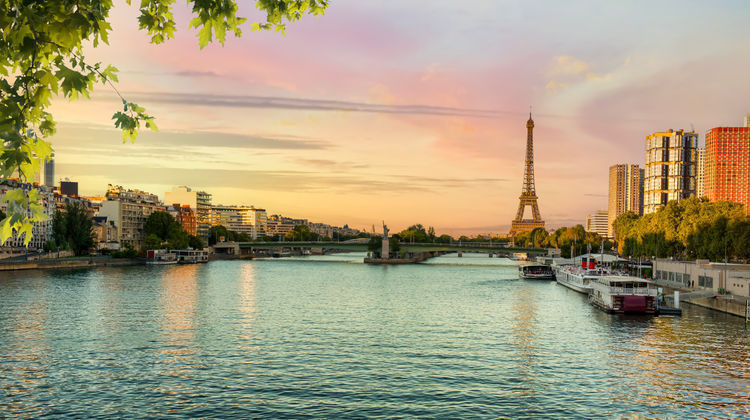

.jpg)