by Yes Getaways Team
September 22, 2026 • 8 min read
A Rhine river cruise is the closest thing European travel offers to a moving hotel through four countries. You unpack once in Amsterdam, wake up in a different medieval river town most mornings, and step off in Basel eight days later having seen the Netherlands, Germany, France, and Switzerland without a single flight, train, or checkout. This guide covers the classic Amsterdam-to-Basel route, what is actually included, when to sail, and what to expect on board.
The short answer
- The classic route: Amsterdam to Basel (or Basel to Amsterdam in reverse), 8 nights, 4 countries. Standard ports are Amsterdam, Nijmegen, Cologne, Koblenz, Mainz, Strasbourg, Breisach, and Basel.
- Best time to cruise: Late April to early October is the main season. Christmas Market cruises run late November through mid-December. July and August are the busiest.
- What is included: Cabin for the full trip, all onboard meals, most drinks, guided shore excursions in each port, and Wi-Fi on most ships. Flights and pre or post cruise hotel nights are usually added separately.
- What is not included: Premium drinks packages, some specialty dining, spa services, gratuities on some lines, and any optional excursions beyond the included ones.
- Best for: Travelers who want to see multiple European countries in one trip without unpacking, first-time river cruisers, couples and small groups who like a slower pace, and anyone traveling with mobility considerations.
- Not ideal for: Travelers who want a lot of independent city time (most ports are half-day stops), families with young kids (river ships have limited kids programming), or anyone expecting big-ship ocean-cruise entertainment.
Rhine River Cruise: Amsterdam to Basel — 10 days, 8 cities, all-inclusive on board
See the Rhine cruise →What Is a Rhine River Cruise, Exactly
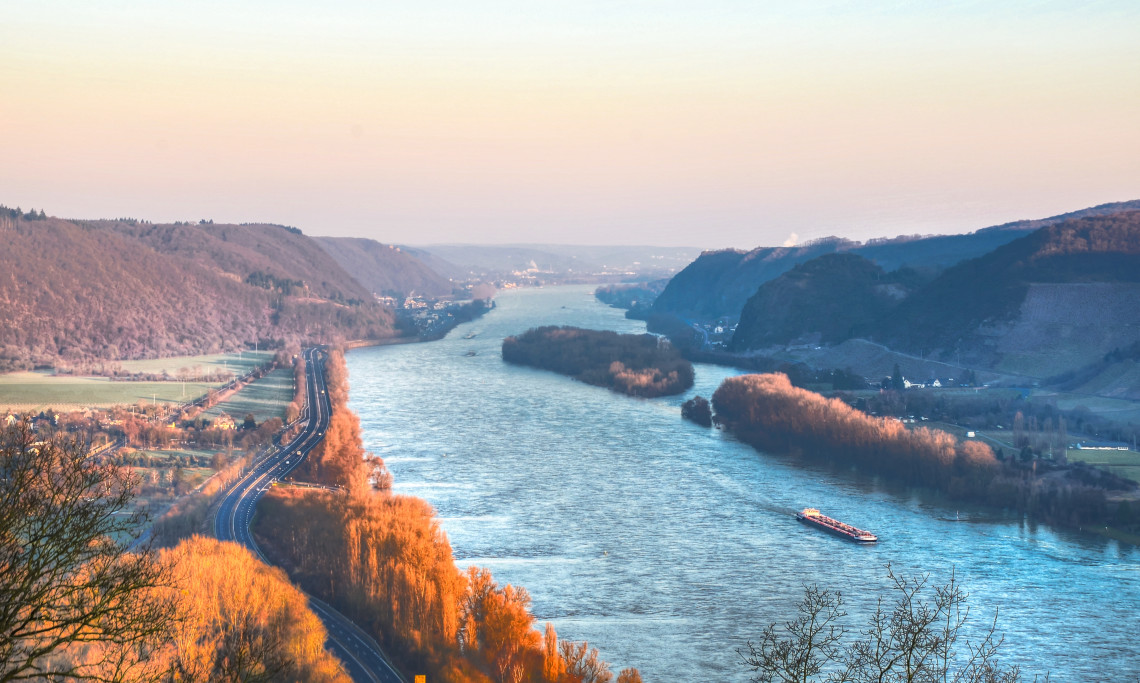
The Rhine flows almost 900 miles from the Swiss Alps to the North Sea. It passes through Liechtenstein, Austria, Switzerland, France, Germany, and the Netherlands before emptying into the Atlantic near Rotterdam. A Rhine river cruise sails the navigable middle and lower section, which covers 780 miles from Basel (Switzerland) to Amsterdam (Netherlands) and takes eight nights end-to-end at a leisurely pace.
River cruise ships are nothing like ocean cruise ships. They are long, low, and narrow, built to fit through locks and under bridges. A typical Rhine river ship carries between 100 and 190 passengers, has three or four passenger decks, one restaurant, one bar and lounge, and a small sun deck on top. There are no waterslides, no casinos, no theatre shows. What there is instead is a floor-to-ceiling window in every cabin, a top deck you can walk on any time the ship is sailing, and the whole of central Europe passing by outside.
The ship becomes your hotel. You board on day one, unpack your suitcase, and it stays in the same cabin for the entire trip. Every morning the ship is docked somewhere new, usually within walking distance of an old town or a medieval castle. You go ashore for the included tour or on your own, come back for lunch or dinner, and sail overnight to the next port. The rhythm is what makes a river cruise different from any other form of European travel.
The Route: Amsterdam to Basel Port by Port
The classic Rhine river cruise runs in either direction, Amsterdam to Basel or Basel to Amsterdam. The itinerary is nearly identical. What changes is the pacing (upriver takes slightly longer than downriver) and the anchor cities where you tend to add pre or post cruise hotel nights.
Amsterdam, Netherlands. Most itineraries begin here, with one or two nights on land before boarding, then the ship overnights in Amsterdam so you have a full first day. The city is walkable, canal-heavy, and rewards the extra time. Anne Frank House, Rijksmuseum, Van Gogh Museum, and a canal cruise are the four things most travelers try to fit in. If you have a third night, use it for Delft or Haarlem as a day trip.
Nijmegen, Netherlands. The oldest city in the Netherlands, and often the ship's first true port after departing Amsterdam. Nijmegen is a short stop, usually a half-day with a walking tour of the medieval quarter and the Valkhof museum. If you have been to Amsterdam before, the change of scale (small town, real Dutch food, quieter streets) is refreshing.
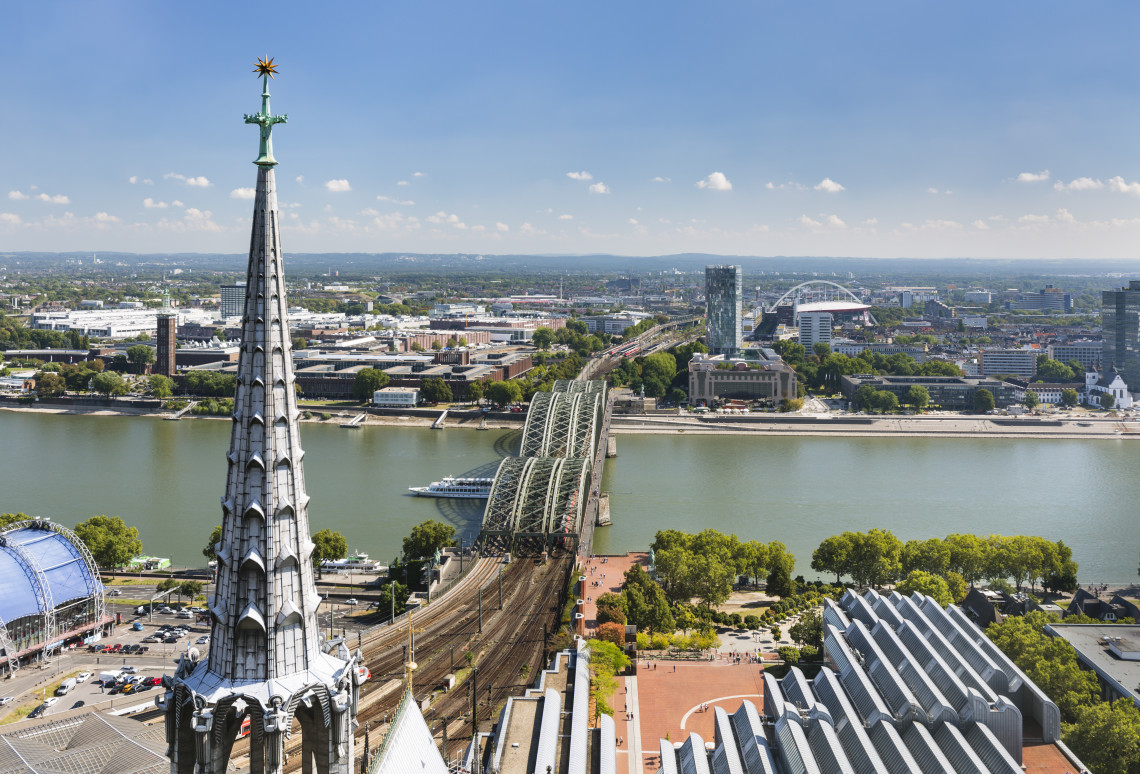
Cologne, Germany. Cologne is one of the anchor ports of the entire river. The cathedral rises directly from the dock, close enough that most ships tie up within a five-minute walk of it. The included tour covers the cathedral, the old town, and the Hohenzollern Bridge with its love locks. Cologne is also the port where most travelers eat their first proper Kölsch beer and Rheinischer Sauerbraten, both worth the detour from the ship menu.
Koblenz, Germany. Koblenz sits at the confluence of the Rhine and the Moselle, and it is the gateway to the UNESCO Middle Rhine Valley section that most travelers came for. The half-day here usually includes a cable car up to the Ehrenbreitstein Fortress and a walking tour of the old town. The sail out of Koblenz, upriver through the castle valley, is the visual peak of most Rhine cruises.
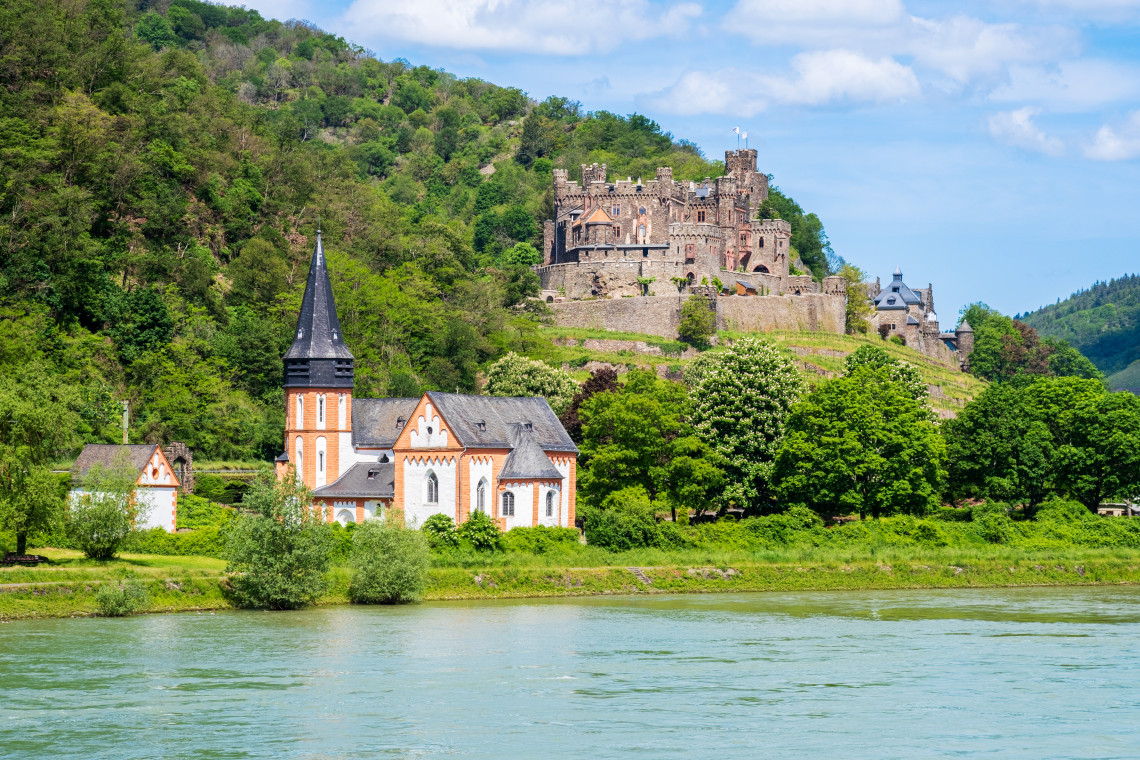
The Middle Rhine Valley (Koblenz to Bingen). This is the UNESCO section, roughly 40 miles of steep-sided river gorge lined with more than 30 castles. Most ships sail this stretch during daylight hours, and the ship's cruise director narrates the castles as they pass. Vineyards climb the slopes on both sides. This is the day you eat lunch on the top deck if the weather allows, and it is why a lot of travelers picked a Rhine cruise in the first place.
Mainz, Germany. Mainz is a shorter port than Cologne but no less useful. Gutenberg was born here, and the printing museum is genuinely interesting even if you did not think it would be. The old town is compact and walkable. This is also the port where some itineraries offer an optional excursion to Heidelberg, one of Germany's most photographed university towns and about an hour inland.

Strasbourg, France. The Rhine forms the border between Germany and France for a long stretch, and Strasbourg is where you experience the French side. The Petite France quarter, with its half-timbered houses and canals, is the postcard image of the city. Notre-Dame de Strasbourg cathedral is arguably more impressive from the outside than Cologne's. Alsace wine appears on the ship menu from here onward.
Breisach, Germany. Breisach is a small town, but its role on the itinerary is to be the base for excursions into the Black Forest and Alsace wine country. The most popular optional excursions are a Black Forest tour with cake and cuckoo clocks, and a wine drive through the Alsace vineyards. Either is a good way to spend a full day off the ship.
Basel, Switzerland. The cruise ends in Basel. If you disembark and fly straight home, you see the port and the airport transfer. If you add one or two nights on land, Basel is quietly one of the more interesting Swiss cities, with a serious old town, a real museum scene, and the Rhine still flowing through the middle of it.
Rhine River Cruise: Amsterdam → Basel
10 days visiting 8 cities across the Netherlands, Germany, France, and Switzerland. Cabin, all onboard meals, guided excursions in every port, and pre and post cruise hotel nights included.
See the itinerary →When to Cruise the Rhine
The main Rhine river cruise season runs from late April through early October, with a shorter Christmas market season from late November through mid-December. Each window has a different character, and the best time to sail depends on what you are after.
Late April to early June. Spring on the Rhine is quiet, green, and cool. Castles reflect off calm water in the morning. Vineyards are budding. The weather is variable, expect one rainy day out of every three, but the ships are less full and the ports feel less packed. The Middle Rhine Valley is at its most photographable in mid to late May.
Mid-June to late August. Peak season. Weather is warm and dry, top deck sailing is comfortable most days, and the sunlight extends well past 9 PM. Ships are fuller and ports busier. If you specifically want long daylight on the Middle Rhine sail day, this is the window. Book earlier than you think, especially for the mid-July to mid-August peak.
September to early October. The best month for many first-time Rhine cruisers. The weather stays warm through mid-September, harvest starts in the Rhine and Moselle vineyards (some ships add tasting excursions), and the tourist volume in ports drops noticeably after school starts. Autumn colors on the Middle Rhine appear in late September and peak in early October.
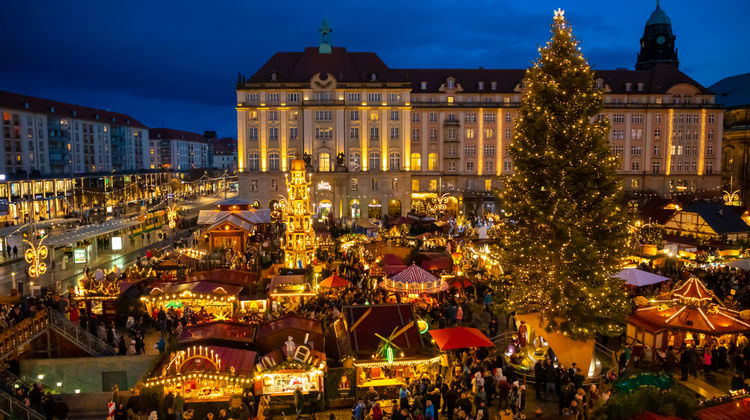
Late November to mid-December: Christmas Market cruises. A completely different type of Rhine cruise. The itinerary is similar but shorter (usually 6 to 8 nights), the ports include a full afternoon and evening at each Christmas market, and the ship's dinner menu shifts to seasonal food. Cologne, Koblenz, Mainz, and Strasbourg all have serious markets that the cruise gets you to at the right time of day (late afternoon, when the lights come on). This is the fastest-selling Rhine window of the year.
When not to cruise. Mid-October to mid-November and late December through March are not river cruise seasons. Water levels can fluctuate, weather is cold and grey, and most ships are in dry dock.
What to Expect on Board
River ships are small enough that you learn the layout in the first afternoon. Most ships have:
- The reception and lobby on the main deck, near the gangway
- The main restaurant at the front of the ship, panoramic windows on three sides
- The lounge and bar at the back of the ship, where the pianist plays in the evening
- A library or small reading room somewhere on the mid-deck
- A small fitness room and sometimes a hair salon on the lower deck
- The sun deck on top, with chairs, a walking track (a lap is usually about 200 meters), and sometimes a small pool or hot tub
Prefer a Christmas Market Version?
The Rhine at Christmas is a shorter cruise focused on Cologne, Koblenz, Mainz, and Strasbourg markets. Different rhythm, same river, one of the best ways to see European Christmas markets in a week.
See Christmas market packages →Practical Details
Passports and visas. US and Canadian citizens need a passport valid at least three months beyond the return date. Starting when ETIAS launches, a pre-travel authorization will be needed for the Schengen area, which covers all four Rhine countries.
Currency. Netherlands, Germany, and France use the euro. Switzerland uses the Swiss franc. Card acceptance is universal in ports. Carry a small amount of cash for tips at excursion stops and for market stalls at Christmas markets.
Language. Ship crew speak English. Ports on the German section are English-friendly at any tourist-facing business. Strasbourg is bilingual French and German, with strong English in the tourist quarter. Basel is trilingual (German, French, Italian) but English is widely spoken.
Tipping. Some lines include gratuities, others suggest around $15 to $20 USD per person per day. Ask before you book so you know whether to budget for it. Additional tips for the room steward or the bartender you liked are always welcome but never expected.
Wi-Fi. Included on most Rhine cruises. Fine for messaging, email, and light browsing. Not fast enough for streaming video, and there are stretches on the Middle Rhine where the signal drops entirely.
Air itinerary. Fly into Amsterdam Schiphol (AMS) at the start and out of Basel (BSL) or Zurich (ZRH) at the end. Basel is closer to the ship. Zurich is a bigger airport with more direct US flights and is about an hour's train from Basel. Yes Getaways handles the flight bundling either way.
Frequently Asked Questions
How long does a Rhine river cruise take? The classic Amsterdam-to-Basel route is 8 nights on the ship, typically packaged as 10 days total once you add pre and post cruise hotel nights. Christmas market cruises are usually 6 to 8 nights.
Is a Rhine river cruise better than an ocean cruise? Different, not better. Rhine cruises are smaller ships, port-intensive, more relaxed on board, and better for travelers who want to see the destinations rather than the ship. Ocean cruises have more onboard entertainment and cover more distance overnight. The two are not directly comparable.
When is the best time to cruise the Rhine? September is the most balanced month: warm weather, harvest in the vineyards, thinner crowds. Late April to early June is second best for milder weather and quieter ports. Christmas market season (late November to mid-December) is the most atmospheric but has shorter daylight and cold weather.
Do I need to speak German or French? No. Ship crew and shore excursion guides all operate in English. Ports on the route are used to English-speaking travelers.
Can I book excursions once I am on board? Yes, for the optional excursions. The included excursion in each port is already assigned to your booking. You can add optional ones during the cruise up to a day or two before each port.
What is the average age on a Rhine river cruise? Late 50s to mid 60s is the modal age group. Younger travelers are welcome and comfortable on board, but the pace and evening rhythm skew older.
Is Wi-Fi good enough for remote work? For email, messaging, and basic browsing, yes. Not reliable enough for video calls or streaming. Plan around it if you are working from the ship.
How do river cruise cabins compare to hotel rooms? Smaller in square footage, better in view. Every Rhine river cabin has a window to the water. Middle and top deck cabins usually have a French or step-out balcony. If you have the budget, book a balcony cabin; the window makes the trip.
Can I do a Rhine river cruise if I have limited mobility? Yes, more easily than most European trips. Ships have elevators, ports are usually flat and close to the dock, and the excursion guides pace themselves. Talk to Yes Getaways about the specific ship's accessibility features when you book.
How far in advance should I book? Six to twelve months is standard. Peak summer and Christmas market sailings sell out early. Off-peak spring and autumn cabins are usually available inside three months.
Are Rhine cruises good for solo travelers? Yes, especially on lines that offer a limited number of single-supplement-free cabins. The onboard social scene is friendly and dining is usually communal or open seating. Book earlier for solo cabins because they are the first to sell out.
Can I combine a Rhine cruise with land time in Germany? Absolutely. Two or three days in Berlin or Munich either before or after the cruise is a common combination. Yes Getaways can build the land portion around the cruise dates.
What is the weather like on the Middle Rhine sailing day? Variable, but often the best weather day of the trip because the itinerary is timed to daylight hours. Bring layers. Even in July, the top deck is breezy when the ship is moving. In April and October, expect a jacket.
Is there a formal night on a Rhine cruise? No. The dress code is smart casual throughout. No tuxedo, no ballgown. A few travelers pack one nicer outfit for the captain's welcome dinner, but it is optional.
How does a Rhine cruise compare to a Danube cruise? Rhine is more castles and more countries in a shorter distance. Danube is longer, more capital cities (Vienna, Budapest, Bratislava), and slower. If it is your first river cruise, the Rhine is easier to grasp and has more visual variety.
The Rhine River, Amsterdam to Basel
Eight nights on the ship, four countries, and eight port cities. One unpacking, one currency zone for most of the trip, and Europe passing outside your window.